
A Chinese court sentenced Evergrande founder Hui Ka Yan to life imprisonment for fraud, bribery and embezzlement, closing one chapter of a property collapse whose debts were larger than several national economies.
Money stories become clearer when the enormous figure is translated into incentives, risks and people left holding the paperwork. Evergrande founder Hui Ka Yan receives a life sentence is not simply a number moving on a screen: it is a decision with consequences for public funds, companies and households.
WHAT HAPPENED
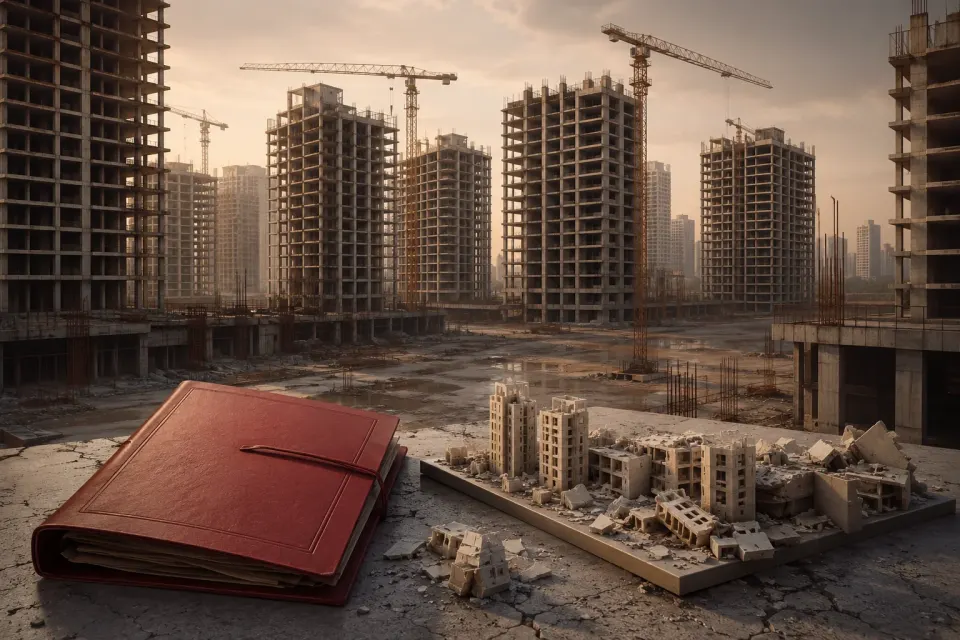
The court also imposed combined financial penalties reported at ¥15.8bn, roughly $2.35bn. Evergrande's failure became the most visible crisis in China's heavily indebted property sector after years of borrowing-fuelled expansion.
Hui's conviction addresses alleged personal crimes but does not by itself resolve unfinished homes, creditor losses or the wider financing model. Punishing an executive is different from repairing the incentives that allowed risk to accumulate.
WHY IT MATTERS
Property has driven household wealth, local-government revenue and economic growth in China. The sector's instability affects buyers, banks, suppliers and global investors, making accountability important but structural reform unavoidable.
The crucial distinction is between the announcement and the outcome. Evergrande founder Hui Ka Yan receives a life sentence establishes what happened on this date, but future evidence will decide whether it becomes a lasting change or a striking entry in the archive. Officials and organisations should publish enough detail for that judgment to be made outside their own communications teams.
WHAT IT MEANS FOR READERS
For households and investors, the immediate lesson is to avoid treating one judgment or project as a complete economic forecast. Look for audited numbers, exposure, implementation costs and who carries the downside. A large figure can be accurate while still concealing whether the bill belongs to taxpayers, customers, creditors or a future government.
WHAT HAPPENS NEXT
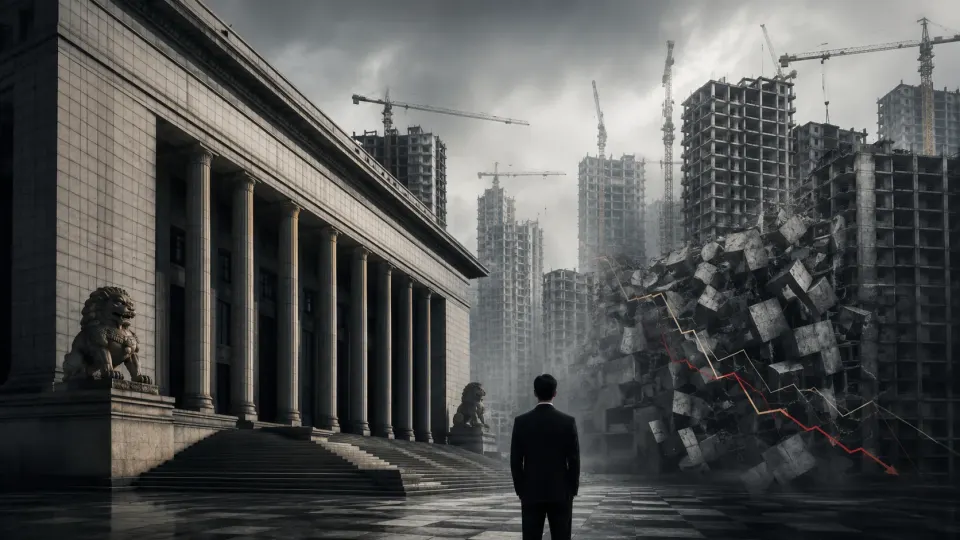
Authorities must continue restructuring assets and supporting viable housing completion while limiting moral hazard. Investors will watch whether enforcement becomes predictable regulation or remains a dramatic finale staged after the building has already fallen down.
THE OUTOUT VERDICT
Hui built a property empire on debt and received the only long-term accommodation Evergrande can now guarantee. The sentence is severe; the harder task is ensuring the next giant balance sheet contains fewer imaginary floors.
Source material: Current events archive and linked reporting