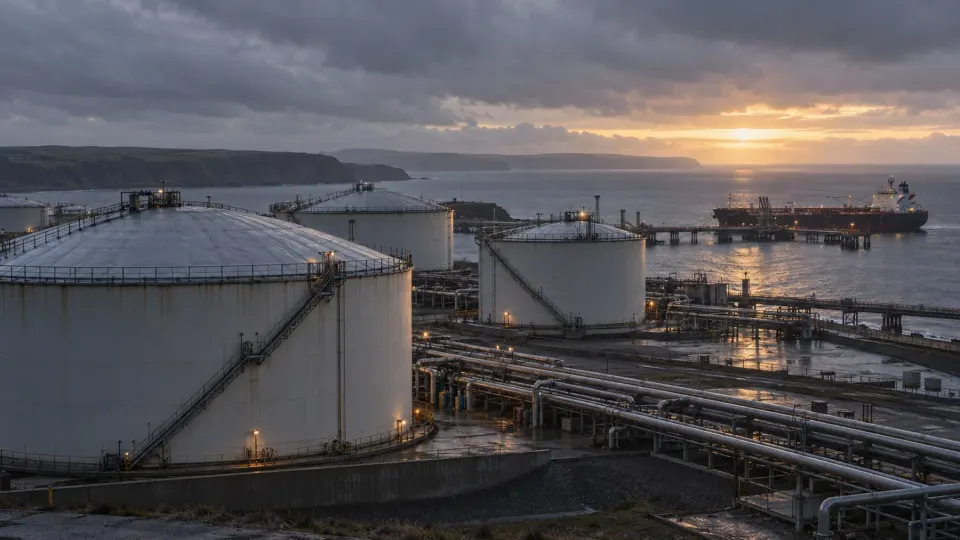
The G7 has promised a coordinated release of 100 million barrels of oil and fuel reserves over four months, with a substantial amount of diesel brought forward into the first 20 days. The decision, announced on Friday 2 October, followed a week in which Britain's average diesel price crossed £2 a litre. It is a consequential attempt to ease a market squeeze. It is not a guarantee that the price on a British forecourt will fall by a particular amount on Saturday morning.
The G7 leaders' statement says the release will begin immediately through the International Energy Agency (IEA). It also commits members to coordinating refinery maintenance and avoiding energy-export restrictions between themselves. Those details are as important as the round number. A reserve barrel can help only when the right fuel reaches the right market at the right time; a refinery closed for maintenance cannot sell diesel merely because crude is sitting in storage.
What exactly has been agreed?
The headline is 100 million barrels over four months, not 100 million barrels of diesel delivered on day one. The statement describes a mix of oil and fuel stocks, a frontloaded diesel component and possible further diesel releases to be discussed through the IEA. It does not allocate a published number of barrels to the UK, name every storage site or give a forecourt-price target. Reporting any of those as settled would add detail the leaders have not supplied.
There is also an accounting caveat. The statement expressly refers to the IEA's March 2026 commitments and says the new implementation takes account of commitments already fulfilled. The IEA said on Friday that about 325 million barrels of the 400 million originally pledged in March had been released, more than 80% of that earlier collective action. Readers should therefore be wary of simply adding the latest 100 million to every previous headline and declaring an entirely new stockpile. The documents describe a coordinated next phase, but do not yet give a simple, independently reconciled total of additional barrels.
That is not a technical footnote. The practical effect depends on what is genuinely incremental, how much is refined diesel rather than crude, where the fuel is stored and what happens to shipping and refinery capacity. The IEA has been asked to monitor implementation and deliver a follow-up report within 20 days. That report should provide a better test than Friday's press conference.
Why diesel has become the urgent part
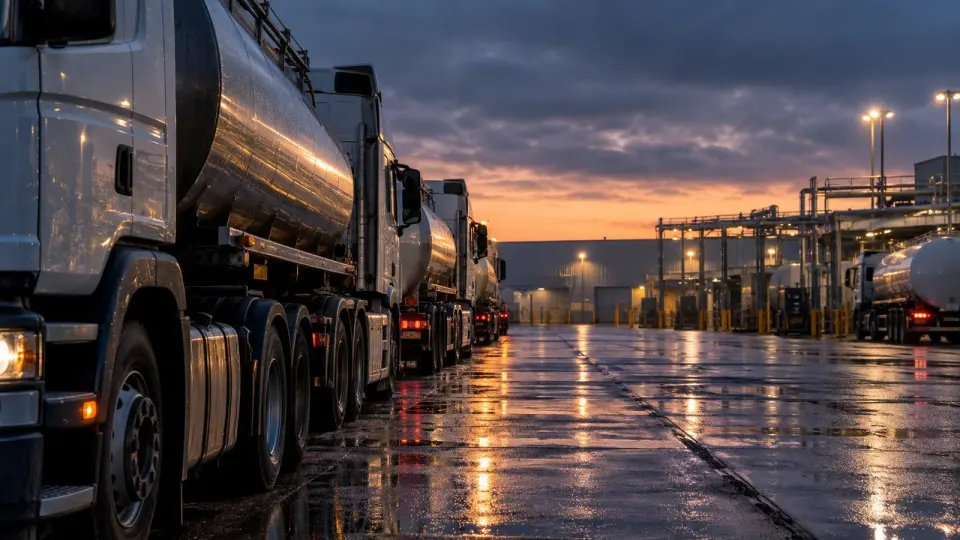
Oil and diesel are related but not interchangeable. Refineries turn crude into several products; their configuration and maintenance schedules limit how quickly they can increase one of them. IEA executive director Fatih Birol said Middle Eastern crude exports had recovered significantly, while refined-product flows remained severely constrained. He also pointed to Ukrainian attacks on Russian refineries as another pressure on diesel supplies. This is why leaders are talking about refinery coordination as well as emergency tanks.
The G7 says it wants full freedom of navigation through the Strait of Hormuz restored. Its statement attributes disruption to Iranian attacks; that is the leaders' position in an active conflict, and the precise route and timing of a durable recovery remain uncertain. The group also pledged to maintain sanctions against Russia. A reserve release buys breathing space in a disrupted market. It does not rebuild damaged infrastructure, settle a war or permanently replace normal trade flows.
The agreement not to restrict exports between G7 countries matters especially to buyers of refined fuel. A national export ban might keep some diesel at home briefly while depriving an ally whose supply chain depends on it. That can push prices higher elsewhere and invite reciprocal restrictions. The G7 has chosen coordination over that scramble, at least in its stated policy. Governments' conduct over the coming weeks will show whether the promise holds under domestic political pressure.
What does it mean for UK drivers?
On Friday the RAC put average UK diesel at 200.01p a litre and petrol at 174.71p. Our report on what that means for a full tank calculates about £110.01 for 55 litres of diesel, £31.70 more than at the end of February. Friday's G7 decision came after that reading; it must not be presented as the cause of the quoted pump price or as proof it has already fallen.
Wholesale fuel prices can react to expectations before physical barrels arrive. Retail prices may then move at a different pace as stations use existing stock, wholesale contracts and their own pricing decisions. Sterling's exchange rate, duty and VAT also affect what a UK driver pays. A fall in an oil-market screen is encouraging, but it is not a direct instruction to every pump to change its sign by the same percentage.
The most meaningful short-term checks are the wholesale diesel price, measured delivery of reserve stocks and daily pump averages over more than one day. The government and competition watchdog can also use transparent station-price data to see whether cheaper wholesale fuel reaches consumers. A single cheap forecourt photographed for social media, or one expensive motorway service station, cannot substitute for a national comparison.
For hauliers, farmers and tradespeople, the stakes are not confined to the cost of a family car. Diesel powers supply chains. A prolonged jump can be absorbed by businesses, passed through in prices or both. The timing and scale depend on contracts and competition; no honest report can calculate the extra cost of a supermarket basket directly from the G7's 100 million-barrel announcement.
The questions ministers still owe us
Britain should publish its contribution to the release, the mix of crude and finished products, and when deliveries are expected to enter usable supply. The G7's promised IEA follow-up should clarify how this action relates to March's earlier 400 million-barrel pledge and what replenishment will cost. Emergency stocks are insurance. Using them now may be justified, but rebuilding them later is part of the bill.
It would also be useful to know whether the refinery-maintenance coordination produces measurable additional diesel output. Without that information, the reserve figure risks becoming a comforting number detached from the bottleneck it is meant to ease. A clear public account would help households plan and make it harder for ministers to take credit for a movement in prices caused mainly by unrelated market changes.
The OutOut verdict
This is a serious response to a serious fuel shock. The G7 has recognised that diesel shortages in international supply cannot be wished away with a speech about oil in general. Bringing finished fuel forward, keeping trade open and watching refinery capacity are sensible levers.
But the £2-a-litre driver needs evidence, not a ceremonial photograph of a storage tank. Publish the actual deliveries, reconcile the new promise with March's pledge and show what happens to wholesale and pump prices. If ministers want applause for releasing emergency fuel, the least they can do is provide a receipt.
Sources
- G7 leaders' statement on global energy security and market stability, 2 October 2026.
- International Energy Agency: executive director participates in G7 leaders' meeting, 2 October 2026.
- Élysée: G7 leaders' statement, 2 October 2026.
- Reuters: G7 to release 100 million barrels through IEA, 2 October 2026.
- RAC: average diesel tops £2 a litre, 2 October 2026.