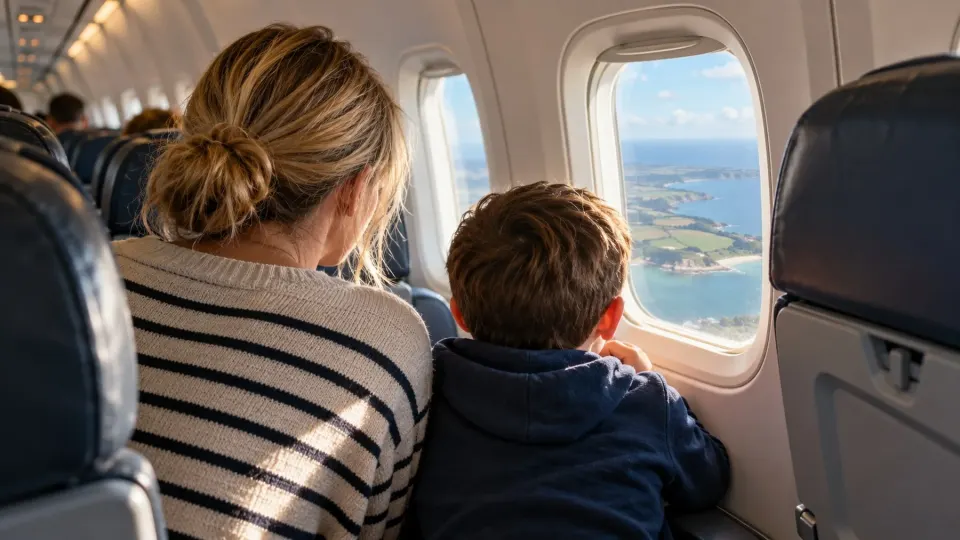
Parents should not have to pay an extra seat-selection fee simply to sit beside a child on a flight. The government has now announced a plan to require airlines operating in the UK to seat under-14s next to a parent or accompanying adult free of charge. It also wants simple name corrections on bookings to be free. These are appealing changes for families planning a holiday, but the announcement on 1 October is a proposal awaiting legislation, not a promise that every booking made this weekend is already covered.
The Department for Transport says a parent and child can currently face up to £104 in seating charges for a return trip, while a small name correction can cost as much as £40. Those are examples of possible fees, not a forecast of what every family will save. Airlines' present policies vary, and some already allocate a child with an adult without imposing the particular charge ministers want to prohibit. The test of the new rule will be its final wording, its start date and how it is enforced when a booking system tries to sell a family peace of mind.
What is being proposed?
The government's statement says children younger than 14 would be seated with a parent or accompanying adult without an additional charge. That is a minimum togetherness guarantee. It does not mean a family of five can pick any five preferred seats for free, nor that airlines must place every adult in a group in one row. The distinction matters because carriers may still sell premium location choices, extra legroom and other optional services.
Ministers also want greater flexibility to correct a simple name error on a ticket without a fee. Again, "simple" is doing work: fixing a typo is different from transferring a ticket to another traveller. The final legal and airline rules will need to spell out where that line sits, how many changes are allowed and whether an airline may require evidence. No responsible adviser should tell a traveller to book under an incorrect name and assume the problem will later be fixed at no cost.
The Department for Transport says the changes will follow Royal Assent of the Civil Aviation Bill, which is still going through Parliament. It aims to have the measures in place in time for next summer's holidays, according to reporting on the announcement, but that is a target, not an operative right today. One line of the government release describes the requirement as applying "from 2 October 2026" while the detailed text calls it a new plan to be delivered after Royal Assent. In light of that internal inconsistency, we are treating the rule as not yet in force until the legislation and commencement date are clear.
Why families have complained
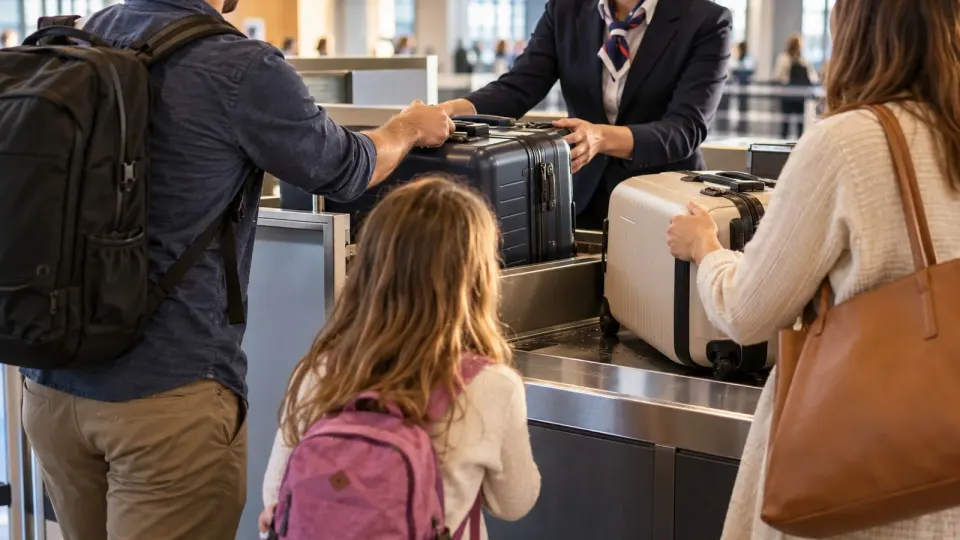
The underlying problem is easy to recognise. A flight search displays an attractive fare, then the booking flow asks a parent to pay for the seat that keeps a young child beside them. The adult may feel the option is not optional at all. A cheaper headline fare stops looking so cheap when a basic family arrangement appears as an add-on. OutOut's guide to hidden fees and drip pricing explains the wider checkout problem.
The Competition and Markets Authority opened an investigation in June into Ryanair's then policy. It said the airline required at least one adult travelling with children aged two to 11 to reserve a paid "mandatory family seat", typically about £8 each way, with children's seats allocated next to or near that adult. The CMA had not reached a conclusion that the airline had broken the law when it opened the case. Reporting the investigation as a guilt finding would be unfair; reporting the fee mechanism explains why the government has intervened. Ryanair has since adjusted its family seating policy, according to subsequent reporting.
This is broader than one airline. A clear minimum rule could help families compare fares across carriers because they would know that sitting one adult next to a young child is included. It could also remove pressure to buy seats early for fear that a computer allocation will split them. Yet there may still be hard cases: a fully booked flight, a last-minute aircraft change, separate bookings for family members or a teenager travelling with one adult and younger siblings. The eventual guidance must say how airlines resolve these situations without leaving ground staff to improvise at the gate.
For now, families booking travel should check the carrier's actual published policy, put children and accompanying adults on the same booking where possible and review any paid seat selection before checkout. Keep the confirmation and contact the airline promptly if seats are split. That is practical preparation, not a statement that the proposed statutory protection is already available.
Name mistakes and the real cost of a bargain
A misspelt name can become a costly problem because the ticket and travel documents must match the passenger. Ministers say some carriers charge up to £40 for minor corrections. A free correction right would be useful, especially when autocorrect or a hurried booking turns one letter into a fee. But final rules must distinguish genuine correction from a change of traveller and specify what happens close to departure.
The sensible consumer check remains to verify every name, date and document before paying. A future right to correct mistakes will reduce unfair charges; it will not guarantee that a passport issue can be solved while a plane is boarding. If a carrier already offers a free correction period, use its current terms rather than waiting for Westminster.
The announcement also contains a separate proposal to share information about persistently disruptive passengers between airlines, allowing carriers to consider bans. The Department for Transport says airlines recorded more than 1,000 serious incidents in 2025. That safety issue deserves its own safeguards, including accurate records and a route to challenge a mistake. It should not be confused with the family seating measure just because ministers announced them together.
The law needs a price-check test
The strongest version of this reform would be simple for a customer to see in the checkout: a child under 14 and one accompanying adult together at no extra cost, whatever the sales page calls the seat. A rule that bars a "family fee" but allows the same mandatory charge under a new label would miss the point. Regulators will need to scrutinise the complete price shown before payment, the default seat-allocation process and complaints after disruption.
There is a legitimate commercial question about where costs move. If an airline loses an add-on fee, it may absorb the change or adjust base fares and other prices. Ministers cannot promise that every ticket becomes cheaper. They can set a fair minimum standard so that customers can compare the real total price and are not charged extra for a basic safety and welfare expectation.
The OutOut verdict
An adult sitting with a young child is not a luxury upgrade. The government is right to target a charge that can make families pay to avoid an absurd outcome. Free correction of minor name errors is another sensible fix, provided the rules say clearly what counts.
The roast goes to the gap between an announcement and an enforceable right. The government's own release contains conflicting cues about when the seating rule starts. Publish the final law, the commencement date and a plain-English guide for passengers. Until then, a family booking a flight should use the policy in force today, not a ministerial headline that has not yet made it through Parliament.
Sources
- Department for Transport: plans to scrap extra charges when flying, published 1 October 2026; includes proposed seating, name corrections and implementation note.
- Competition and Markets Authority: investigation into Ryanair family seating fee, 11 June 2026; no infringement finding at launch.
- The Guardian: UK airlines to be banned from charging parents to sit with children, 1 October 2026; legislative timetable and policy context.