The chief executive of Equinor has warned that rejecting the Rosebank and Jackdaw projects would be a “major setback” for the company’s North Sea venture with Shell and would make investors question whether Britain remains an attractive place to put money.
Anders Opedal made the argument at the Energy Intelligence Forum in London on 6 October. He linked approval to energy security and employment. The two projects sit at the centre of a decision that successive governments have managed to turn into a national argument about jobs, bills, climate law, imports and whether any of those words are permitted to occupy the same sentence.
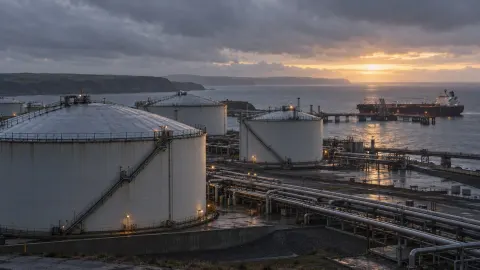
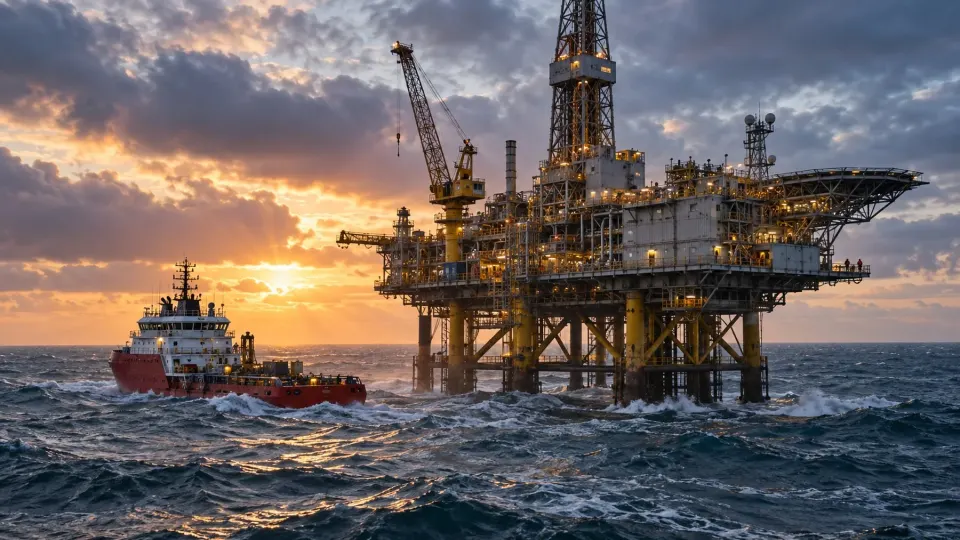
Rosebank is an oil and gas development west of Shetland operated by Equinor, with Ithaca Energy as a partner. Jackdaw is a Shell-led gas field in the central North Sea. Their original approvals—Jackdaw in 2022 and Rosebank in 2023—were overturned after legal challenges over the way emissions from eventually burning the extracted fuel had been assessed.
That did not permanently ban either project. It forced the developers to submit fresh environmental information and seek new decisions under the revised legal position. Applications were made in 2025 and remain before the government.
Reuters reported that a Jackdaw decision could come within days, although the timing may have been pushed beyond an 8 October by-election. Ministers have not announced an outcome. A company warning is not a government decision, and a newspaper timetable is not a signed consent.
What is actually at stake
Equinor and Shell combined most of their UK offshore assets in a joint venture now called Adura. The companies intend it to become the biggest producer in the UK North Sea. Opedal said failure to approve Rosebank or Jackdaw would damage that venture and the wider investment case.
Industry supporters point to construction work, supply-chain spending, tax receipts and domestic production. Jackdaw’s infrastructure is substantially advanced and, according to Reuters, could begin producing gas this winter if approval is granted. Rosebank could produce first oil in the first half of 2027.
Climate campaigners make a different case. They argue that opening major new fields locks in further fossil-fuel production, conflicts with climate goals and does not guarantee lower household bills because oil and gas are traded in wider markets. Their successful legal challenge focused on the failure to account properly for downstream—or “Scope 3”—emissions created when the fuel is used.
Both sides sometimes present energy security as if it has only one setting. Domestic production can reduce some exposure to imports and sustain offshore capability. It does not isolate British consumers from global prices. Conversely, rejecting a project does not make demand disappear; unless consumption falls or clean supply replaces it, the UK may import more.
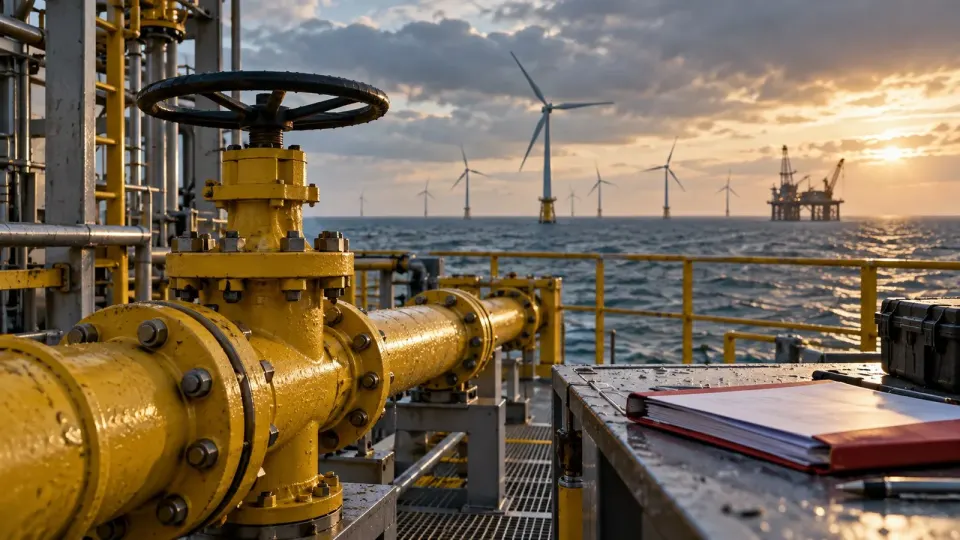
That is the awkward bit beneath the slogans. The country is attempting to reduce fossil-fuel use while still consuming large quantities of oil and gas. A transition is a managed decline with replacement infrastructure, not a press release in which the old system politely evaporates.
Why the court cases changed the decision
The approvals were challenged after the UK Supreme Court’s 2024 Finch judgment clarified that environmental assessments for oil production needed to consider the emissions from burning the oil, not only emissions from extracting it. Scotland’s Court of Session later ruled that the existing Rosebank and Jackdaw consents could not stand under that approach.
The courts did not make the final policy choice for ministers. They required the environmental consequences to be assessed lawfully. The government must now consider updated material and give reasons capable of surviving both political criticism and judicial review.
That distinction is important. “The court blocked North Sea energy” is too crude. “The projects already passed every test” is also too crude. Their earlier consents were legally defective, fresh applications are under review and ministers must decide again.
The government faces competing risks. Approval will provoke accusations that its climate policy bends when investment threatens to leave. Rejection will provoke warnings about skilled jobs, tax revenue, declining domestic production and investor confidence. Delay avoids the headline for a day while increasing uncertainty for everybody who must plan vessels, contracts, training or campaigns.
Will either project cut bills?
Claims about bills require discipline. Additional supply can matter at the margin, particularly for gas security, but neither project gives ministers a dial labelled “British household price”. Wholesale prices respond to regional and global conditions, infrastructure constraints, demand, storage and conflict.
Jackdaw is principally a gas project, making its domestic-security argument more direct. Rosebank is predominantly oil, and much of the crude may be exported because refinery compatibility and commercial markets matter. Exporting oil does not mean the project has no UK economic value; it does weaken any suggestion that its barrels travel straight into a discounted British petrol pump.
The same discipline applies to jobs. Companies and trade bodies publish forecasts covering direct, indirect and induced employment across construction and operation. Those estimates can be valuable, but they are not the same as a guaranteed permanent headcount. Ministers should publish the assumptions they rely on, including the geographic distribution and duration of work.
The transition question is therefore not simply “oil or wind”. North Sea engineering skills can transfer into offshore wind, carbon storage and decommissioning, but transfer is neither automatic nor free. Workers cannot pay a mortgage with a strategy document promising that somebody will design a training scheme later.
Our reporting on British cars and European green incentives examined the same industrial-policy problem from another direction: climate goals become politically fragile when government cannot explain where investment and skilled work will land during the change.
The OutOut verdict
Rosebank and Jackdaw deserve a decision based on published evidence, not a theatrical choice between “switch everything off” and “drill until the sea sends an invoice”. The UK needs credible carbon limits, honest supply forecasts and a transition plan that exists outside ministerial adjectives.
If ministers approve the fields, they should explain the full emissions assessment, expected production, economic benefits and how the decision fits binding climate targets. If they reject them, they should explain how lost production, employment and investment will be replaced rather than merely celebrated.
Opedal is entitled to warn about investor confidence; his company also has a commercial interest in approval. Campaigners are entitled to demand climate compliance; their preference for rejection does not answer every near-term supply question. Government is paid to weigh both, publish its reasoning and own the consequence.
The worst outcome is endless suspense dressed as careful government. North Sea workers, investors, campaigners and bill-payers do not need another rumour. They need a lawful decision and numbers that can survive contact with the morning after.