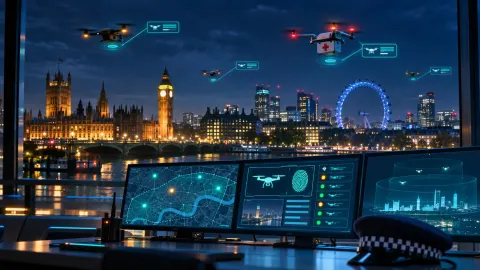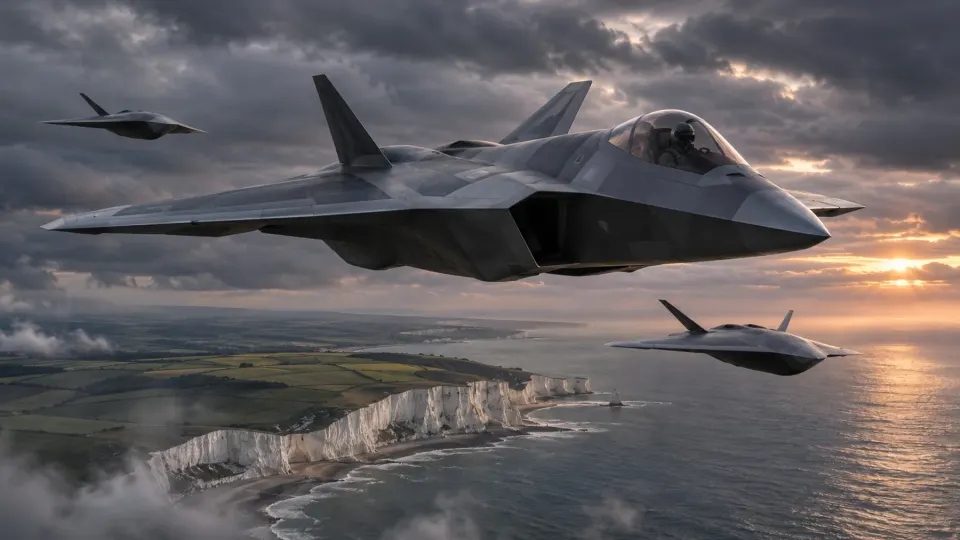
Britain's next-generation Tempest combat aircraft may be the last fighter the country builds with a pilot in the cockpit, according to the head of the Royal Air Force. Air Chief Marshal Sir Harv Smyth said uncrewed aircraft assisted by artificial intelligence would increasingly take on dangerous tasks and begin flying in UK airspace next year.
The word “may” is doing essential work. Smyth offered a forecast about the direction of military aviation, not a confirmed decision to abolish pilots after Tempest, nor proof that autonomous fighters are ready to conduct combat missions without human control. The RAF of the future described by the air chief is a mixed force: Typhoons, F-35s, Tempest and autonomous systems working together.
What Tempest actually is
Tempest is the British name commonly used for the crewed aircraft at the centre of the Global Combat Air Programme, a partnership between the UK, Italy and Japan. The programme targets entry into service from 2035 and is intended to replace or complement ageing combat-air capability with advanced sensors, data systems, stealth and digital engineering.
In July, the three countries awarded a £4.6 billion design-and-development contract to Edgewing, their industrial joint venture. The UK government said Britain would invest £8.6 billion in the programme over four years. Those are programme commitments, not the final lifetime cost of designing, building, operating and supporting a future fleet.
The Ministry of Defence says the aircraft is intended to work alongside Typhoons, F-35s and autonomous systems. That matters because headlines about a “last crewed fighter” can create the impression of one technological era ending cleanly on the day another begins. Military fleets overlap for decades. A Tempest entering service in 2035 could still be flying while uncrewed aircraft evolve through multiple generations.
The autonomous aircraft arriving first
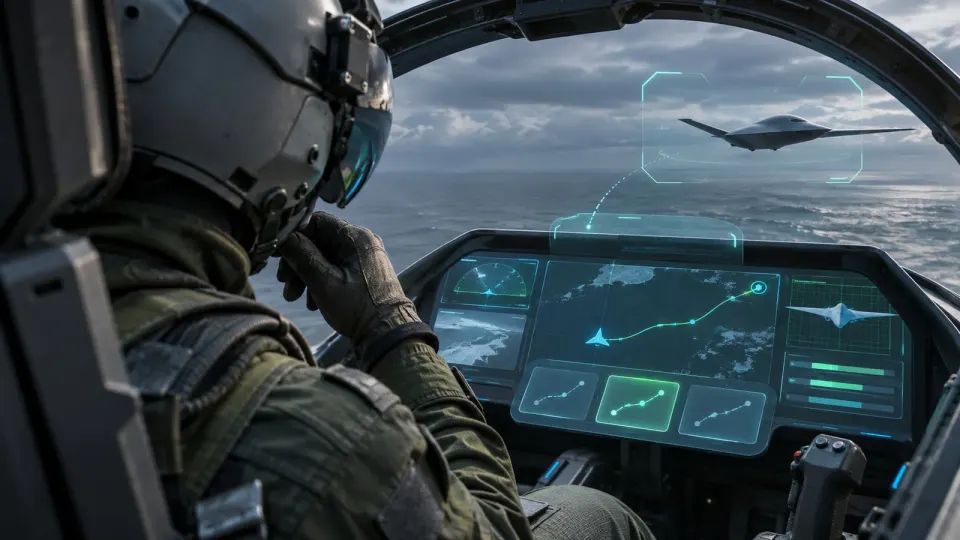
Smyth told The Telegraph, in remarks reported by Sky News and the BBC, that uncrewed fighter aircraft would start flying in UK airspace in 2027. Public reporting did not identify that statement as the operational arrival of an autonomous combat squadron. A test aircraft flying in controlled airspace is not the same thing as a machine independently choosing and attacking targets.
The government has separately committed more than £5 billion over four years to drones and autonomous systems across the armed forces. Its plans include a national Collaborative Combat Air programme, with a demonstrator scheduled to fly by at least 2030, plus systems that support crewed aircraft. Earlier projects such as StormShroud show how uncrewed platforms can carry sensors or electronic-warfare equipment without being a robot replacement for every pilot.
The attraction is clear. Uncrewed aircraft can be designed around missions rather than a human body's oxygen, visibility and tolerance of acceleration. They can scout, jam radar, carry extra sensors or enter defended airspace without placing a pilot in the most immediate danger. They might also be cheaper enough to deploy in numbers, although “cheap drone” and “advanced autonomous combat aircraft” should never be treated as the same budget line.
OutOut has already covered Britain's plan to give firms access to Ukrainian battlefield data for AI drone research. That programme illustrates both the promise and the caution: large real-world data sets can improve recognition, while difficult weather, deception, incomplete labels and civilian context can still defeat confident software.
Where the human remains
Smyth said technology must enhance human judgement rather than replace accountability. That principle sounds reassuring because it is reassuring. The harder task is converting it into rules for missions in which communications fail, aircraft share sensor data and decisions have to be made in seconds.
“Human in the loop” can mean different things. A person might approve each use of force, authorise a tightly bounded mission in advance or retain only the ability to intervene. Those arrangements carry different risks. Parliament and the public need to know the governing principle even when exact tactics and capabilities remain classified.
Accountability also requires logs, testing and a clear chain of command. If a system misidentifies an object, who had authority to deploy it, who set the operating limits and who investigates? AI can distribute information across a formation; it cannot distribute moral and legal responsibility until it disappears.
The development challenge is substantial. Adversaries will jam navigation, corrupt sensors, create decoys and search for predictable behaviour. Software trained on controlled trials may encounter situations absent from its data. A system that performs well 99 times can still create an unacceptable failure on the hundredth if the mission involves lethal force.
The OutOut verdict
The last-crewed-fighter line is irresistible because it sounds like history arriving with a boarding pass. In reality, Britain has not yet finished designing Tempest, autonomous teammates remain under development and the RAF will operate old, new, crewed and uncrewed aircraft together for years.
There is a sensible case for machines taking the dirtiest, dullest and most dangerous tasks. There is no sensible case for letting the language of inevitability outrun evidence, testing or law. Defence technology has a long tradition of becoming “the future” just before meeting a procurement spreadsheet.
Tempest may be Britain's last purpose-built crewed fighter. It may not. The part that should not be optional is Smyth's second point: machines can extend human judgement, but an accountable person must remain attached to consequential decisions. The cockpit can change. Responsibility cannot be allowed to eject.
Sources
- Sky News: RAF chief says Britain's next fighter could be its last crewed one, published 22 November 2026.
- UK Ministry of Defence: £4.6bn next-generation fighter contract, published 3 July 2026.
- UK Government: £5bn drone transformation plan, published 29 June 2026.