British food-price inflation could climb to almost 7% in 2027 as disrupted energy markets, rising production costs and severe El Niño weather feed through to supermarket shelves, according to the Institute of Grocery Distribution.
The IGD forecast published on Wednesday 16 September puts average food inflation at 2.9% to 3.9% in 2026, rising to between 5.6% and 6.6% in 2027. It expects a still-painful 5.3% to 6.3% in 2028.
This is a forecast, not a confirmed price rise stamped onto every product. Inflation measures the rate at which prices increase overall; 6.6% does not mean each basket or item rises by exactly that amount. It does mean the average weekly shop could become materially more expensive again after a period of relative relief.
Why the pressure is returning
The IGD says stock buffers and financial hedging have delayed some costs rather than removed them. Businesses often agree energy, currency and commodity prices months ahead. That creates a lag between a shock in wholesale markets and the moment somebody quietly makes a packet smaller or changes the shelf label.
Middle East disruption has lifted energy and transport costs. Food production depends on fuel, fertiliser, refrigeration, packaging and haulage, so expensive energy can travel through a supply chain wearing several different name badges.
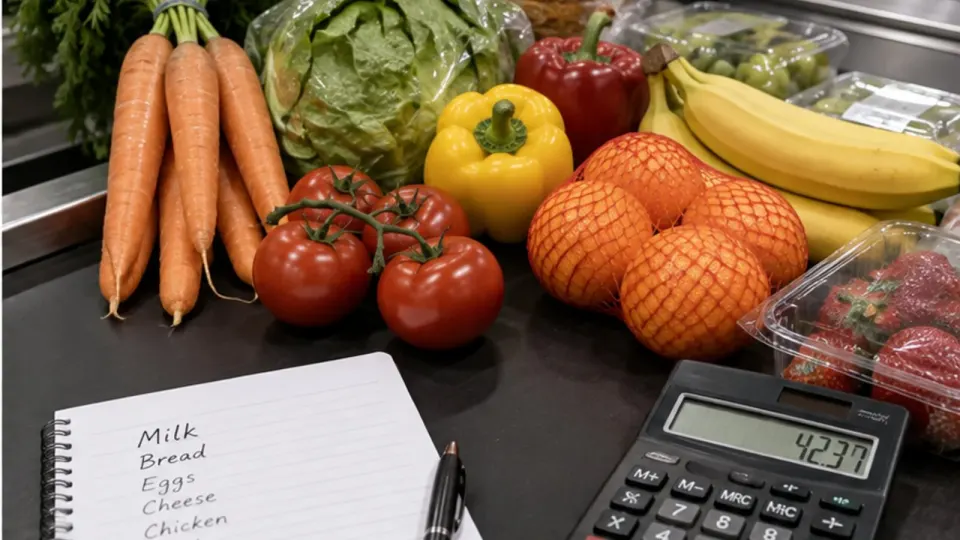
Extreme weather is the other large risk. The IGD expects a severe El Niño event to damage yields, quality and availability into 2027 and beyond. Fruit and vegetables are expected to make the largest contribution because they have short growing cycles, spoil quickly and are especially exposed to weather.
The latest backdrop looks deceptively gentle. Official food and drink inflation fell to 1.3% in July, its lowest since August 2024, while Worldpanel measured grocery-price inflation at 2.3% over the four weeks to 6 September. Those figures describe prices now. The IGD is warning about costs travelling towards consumers later.
What it could mean for households
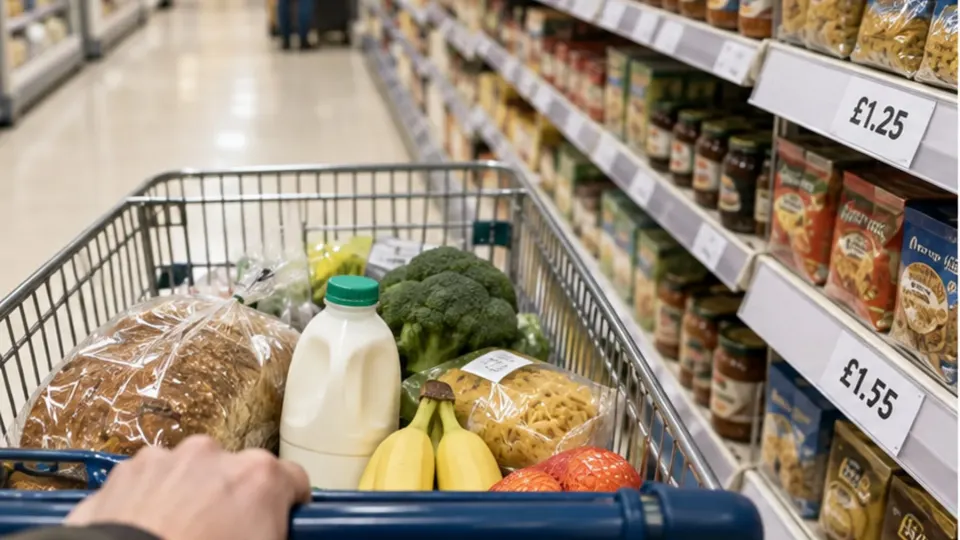
A household spending £80 a week on food would spend about £275 more over a year if the entire basket rose by 6.6% and buying habits did not change. Real households will substitute products, switch retailers, use promotions and reduce waste, so the personal result varies. Lower-income families feel food inflation more sharply because essentials take a larger share of their budget.
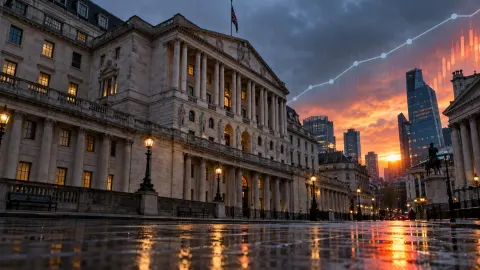
The Bank of England also watches food prices because frequently purchased items shape people’s expectations. If workers and businesses assume high inflation will persist, wages and prices can begin chasing each other. That is one reason the new forecast matters beyond the vegetable aisle.
The IGD argues that more productive capacity, preferably domestic, would improve resilience. Britain cannot grow every product it imports, but investment in controlled-environment farming, storage, energy efficiency and diversified suppliers can reduce the number of single points of failure.
For the wider interest-rate backdrop, read our explanation of why banks now expect UK rate rises.
The OutOut verdict
Consumers have barely finished learning which supermarket own-brand cereal tastes least like roof insulation, and another price wave is assembling offshore.
The useful response is neither panic-buying tinned tomatoes nor pretending a forecast is destiny. Government and retailers have time to strengthen supply, explain changes honestly and protect vulnerable households. If they instead wait until 2027 and announce that global conditions are “challenging”, the only surprise will be how many times the same sentence can fit on a ministerial lectern.