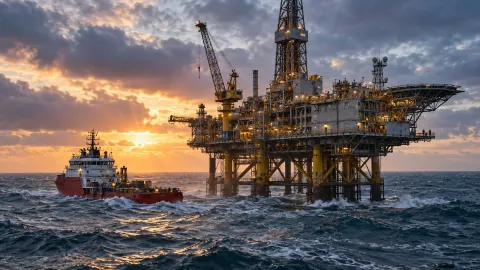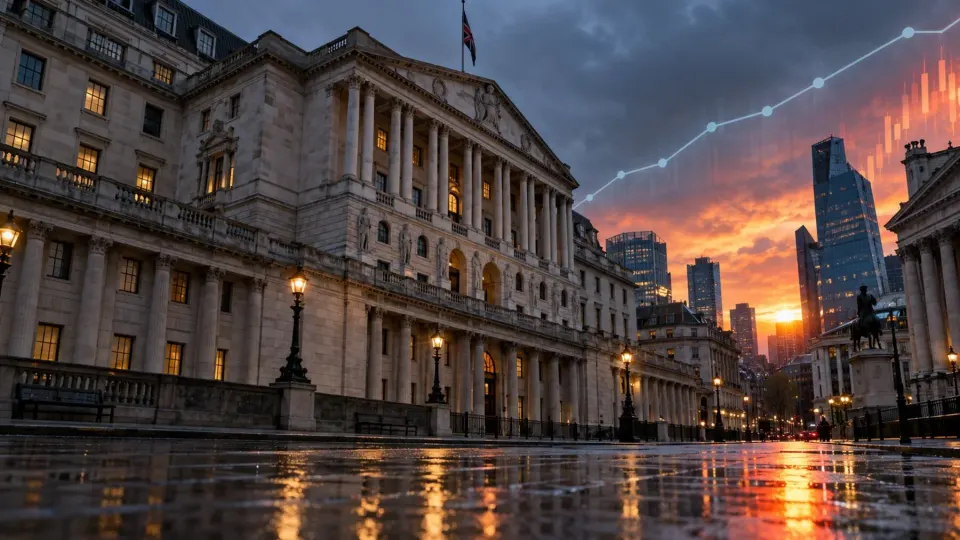
Two major banks now expect the Bank of England to raise interest rates later this year after oil prices climbed above $100 a barrel and inflation proved harder to settle. The cost-of-living crisis has apparently ordered a sequel and hired the same villain with a different barrel.
Goldman Sachs said on Monday 14 September that it expects a quarter-point increase in November. Citigroup expects one increase late in 2026 and another in February 2027. Both had previously forecast no change this year, according to Reuters.
These are forecasts, not decisions. The Bank’s Monetary Policy Committee is independent, has nine voting members and will publish its next decision on Thursday 17 September. Economists broadly expect Bank Rate to remain at 3.75% this week, with the debate shifting towards what happens afterwards.
Why oil affects an interest-rate decision
Higher crude prices feed into petrol, diesel, aviation, freight, manufacturing and eventually shop prices. Britain imports much of the energy it uses, so a global supply shock can raise costs while also weakening household spending.
That is an unpleasant combination for a central bank. Raising rates cannot produce a missing barrel of oil. It can, however, restrain demand and stop an initial price shock spreading into wages and expectations. The danger is that tighter policy also makes mortgages and business borrowing more expensive when families are already absorbing higher bills.

The Bank’s target is 2% CPI inflation. Its website currently shows inflation at 2.9%, while July’s meeting kept Bank Rate at 3.75% by six votes to three. The latest jump in energy costs arrives before policymakers can declare the job complete.
Markets were pricing roughly 47 basis points of increases by the end of 2026 on Monday, Reuters reported. That is close to two quarter-point moves, but market pricing changes continuously and should not be mistaken for a promise engraved above Threadneedle Street.
What it could mean for mortgages and savings
Borrowers on tracker mortgages normally feel Bank Rate changes quickly. Standard variable rates can also move, although lenders set them independently. Fixed-rate customers keep their agreed payment until the deal expires, but anyone refinancing soon is exposed to wholesale market expectations before the Bank actually votes.
That last point matters. Fixed mortgage pricing is influenced by swap rates, which reflect expected future borrowing costs. A lender can reprice products because the outlook changed even while Bank Rate remains still.
Savers may benefit from higher rates, but banks do not pass every increase through equally or immediately. Credit-card and unsecured borrowing costs may remain punishing regardless of a quarter-point shift. Households should compare products, check when fixed deals end and avoid making irreversible decisions from one bank forecast.
The wider economic squeeze
Britain is not facing the choice alone. Central banks are trying to distinguish a temporary energy spike from inflation that becomes embedded. The European Central Bank has already tightened, while investors are watching the US Federal Reserve and Bank of Japan.
The pound also fell to a one-month low against the dollar on Monday as investors moved towards the US currency and oil prices rose. A weaker pound can make dollar-priced energy more expensive, adding another turn to the mechanism.
The useful message is uncertainty, not panic. Forecasts can reverse again if oil retreats, demand weakens or inflation data improve. The Bank will react to evidence across prices, pay, employment and activity rather than obeying Goldman’s calendar invitation.
Keep up with practical household effects in OutOut’s Money section and our explanation of why gilt yields matter.
The OutOut verdict
Interest rates may rise because oil became dearer, even though dearer oil already leaves households with less to spend. Monetary policy is sometimes the art of treating a headache by making the chair less comfortable.
The forecasts are a warning, not a sentence. Borrowers should check dates and options; ministers should avoid pretending global prices have no domestic consequences; and commentators should wait for nine actual votes before announcing that the Bank has definitely done the thing it has not yet done.