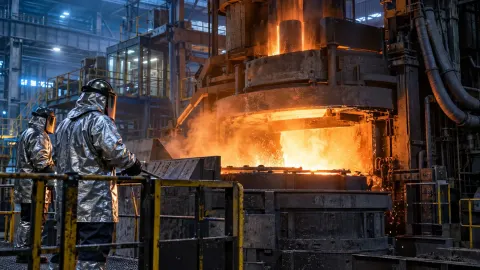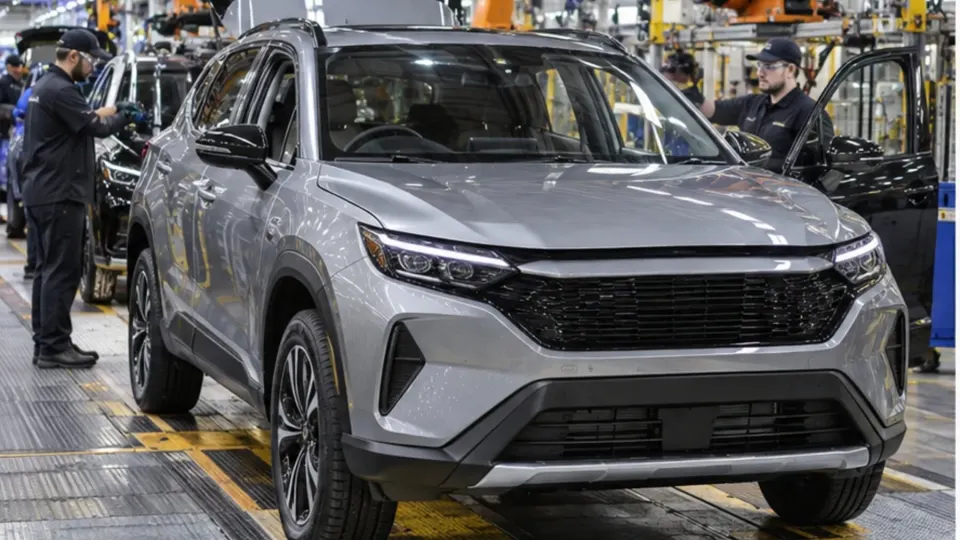
Nissan will build a new hybrid SUV for the European market at its Sunderland plant and invest £170 million in the project, giving Britain’s largest car factory a welcome piece of future production.
The Japanese manufacturer announced on Wednesday 16 September that the Kicks e-POWER will join the Qashqai, Juke and electric Leaf in Sunderland. It did not provide a production start date or say how many jobs the project would create.
Those missing details matter, but so does the decision. Nissan has been cutting costs, closing plants and cancelling planned models elsewhere. Sunderland has lived beneath a particularly large question mark while the global company reorganises around it.
What Nissan has committed to
The £170 million is intended to prepare the plant to assemble the Kicks, a small SUV using Nissan’s e-POWER system. In that design, an electric motor drives the wheels while a petrol engine generates electricity. Drivers get an electric-style powertrain without plugging the car into a charger, although it still burns fuel and is not a zero-emission vehicle.
The Kicks will broaden Sunderland’s model mix. That matters in an industry where a factory can be modern, productive and still vulnerable if demand for one vehicle weakens. More models make equipment and workers easier to keep busy across market cycles.
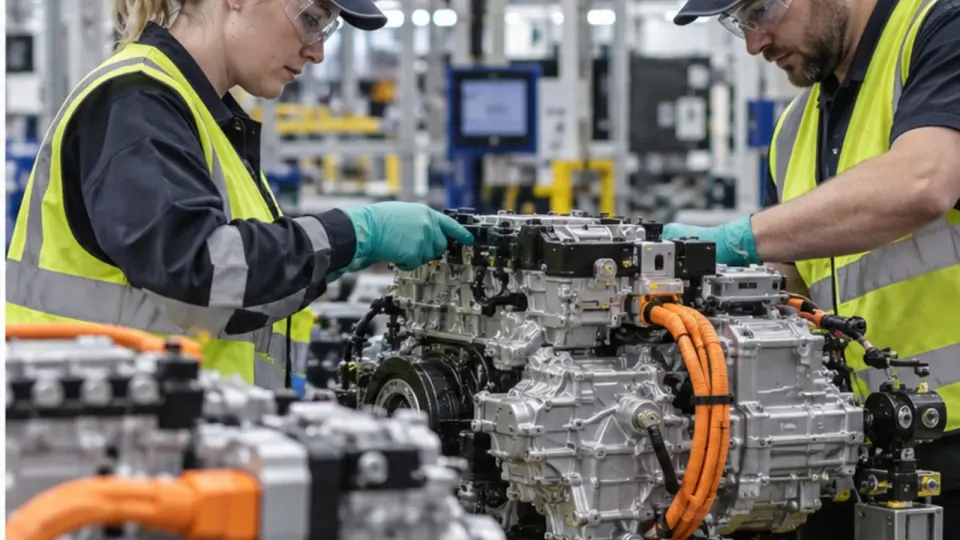
The plant’s future has attracted political attention because it anchors a much wider North East supply chain. Thousands of direct jobs sit beside parts makers, logistics firms, maintenance contractors and local spending. A production line is never only the people visible beside the robots.
Nissan said in June that it was exploring whether Chinese manufacturer Chery could use one of Sunderland’s two lines. Reuters also reported talks with the UK government about financial support in return for investment and a longer-term commitment. The new announcement does not explain whether public support is attached to the Kicks project or how it affects those Chery discussions.
Hybrid today, electric tomorrow
The investment lands during an awkward transition. Governments want lower transport emissions, consumers remain sensitive to purchase price and charging access, and manufacturers must finance petrol, hybrid and electric products at the same time. Every boardroom slide therefore contains several arrows and at least one battery factory.
Sunderland already produces the latest electric Leaf and has been central to Nissan’s UK electrification plans. Adding a hybrid can protect volume while electric adoption grows, but it also raises a strategic question: is the model a bridge towards full electrification or a comfortable lay-by that lasts longer than promised?
For Britain, the answer depends on whether the plant continues attracting new platforms, battery investment and supply-chain work. One £170 million programme is encouraging; a durable industrial base needs repeated decisions over many years.
The announcement also follows government intervention across steel and advanced manufacturing. Read our report on the plan to acquire Speciality Steel UK.
What to watch next
The production timetable, expected annual volume, government contribution and employment impact are the four numbers still required. Nissan should also clarify whether the vehicle will use locally made batteries and which line will assemble it.
Until then, the investment is best described as a significant vote of confidence rather than a permanent guarantee. Car plants survive on the next model and the model after that, not sentimental loyalty to a postcode.
The OutOut verdict
Sunderland has spent months being discussed like a valuable relative whose will is being rewritten in another country. A confirmed model and £170 million are therefore genuinely good news.
Now publish the timetable, the public-money terms and the job figures. “Huge vote of confidence” is ministerial for “please stop asking about the footnotes”. The factory deserves the footnotes as well as the flag-waving photograph.