The UK government is working towards buying Speciality Steel UK after deciding that a private rescue proposal could not provide enough long-term stability or value for money. The state has rediscovered that an industrial strategy becomes awkward when the industries disappear.
Business Secretary Jonathan Reynolds announced the move on Monday 14 September. The company supports more than 1,300 jobs at sites in Rotherham, Stocksbridge, Brinsworth and Wednesbury and has made specialist products for aerospace, defence, automotive and advanced manufacturing customers.
The announcement is a proposal to acquire, subject to due diligence. It is not a completed nationalisation, a blank cheque or a guarantee that every site will return to full production. Government says the acquisition would preserve options while officials assess speciality steelmaking, regeneration and possible future private investment.
How the company reached this point
Speciality Steel UK was previously part of Sanjeev Gupta’s Liberty Steel group. It entered liquidation in August 2025 after prolonged financial trouble, which followed the 2021 collapse of its main lender, Greensill Capital.
Since liquidation, the Official Receiver has controlled the business. Government has funded safety, maintenance and staff costs while a buyer was sought. A lead private bidder emerged, but ministers said the proposal on the table did not offer sufficient certainty. The Guardian identified that bidder as Norwegian start-up Blastr Green Steel and reported that production at the plants has largely stopped.
There is also a separate Serious Fraud Office investigation into suspected fraud, fraudulent trading and money laundering connected with the financing and conduct of companies in the Gupta Family Group Alliance, including Greensill arrangements. An investigation is not a finding against every company or individual associated with the group; the steel acquisition should not be presented as its conclusion.
Why these furnaces are considered strategic
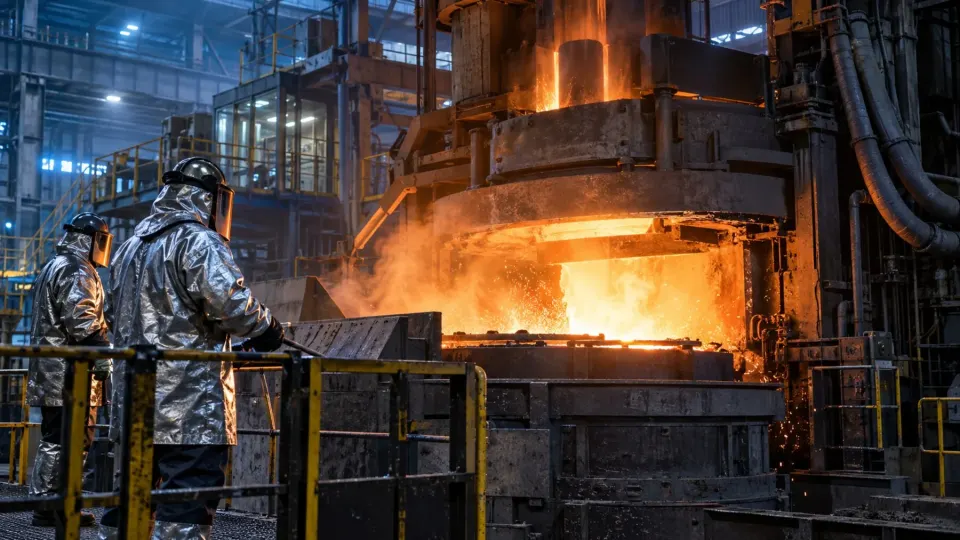
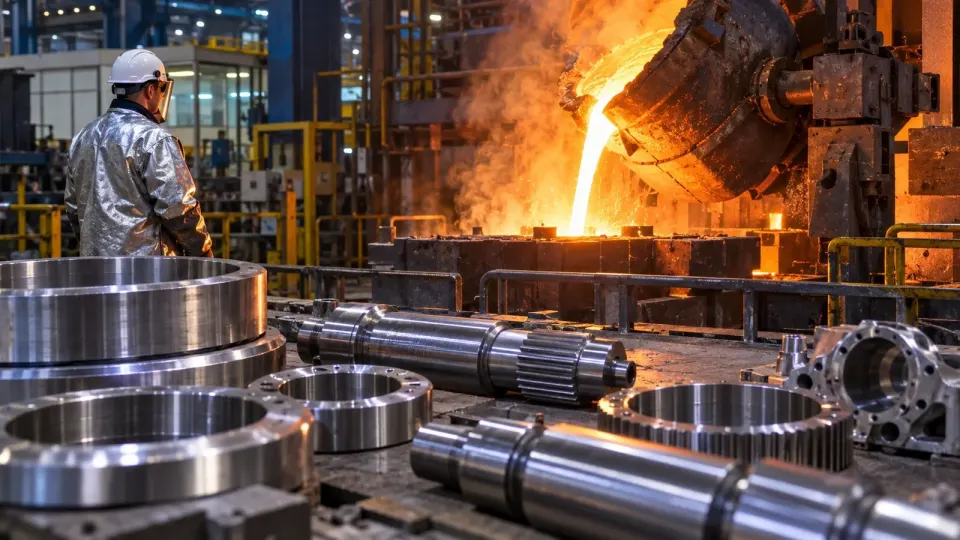
Speciality steel is not interchangeable with every imported coil. The sites have electric arc furnace capability and experience producing high-grade material used in aircraft landing gear, helicopter rotors, missiles, munitions and industrial engineering. Customers in defence and aerospace require specific chemistry, certification and reliable supply.
That creates a national-security argument as well as an employment argument. Britain can buy steel abroad, but global disruption, trade restrictions or conflict can expose dependence precisely when specialist material is most valuable. Rebuilding a lost workforce, approvals and equipment is slower than keeping viable capability alive.
The government’s wider steel strategy points to growing demand for specialist and lower-carbon products. Britain has abundant scrap and an increasingly decarbonised electricity system, advantages for electric arc furnaces. It has also committed money to Port Talbot, intervened at British Steel in Scunthorpe and owns Sheffield Forgemasters through the Ministry of Defence.
The taxpayer question
Strategic does not mean financially effortless. Public ownership transfers operating risk to taxpayers. Ministers need to disclose the acquisition cost, continuing support, capital required to restart or modernise production and the test for any eventual sale.
The rejected private bid also deserves transparent explanation once commercial confidentiality allows it. “Value for money” cannot become a reusable label attached after every difficult decision. Workers need a credible operating plan, not merely a longer period on life support; taxpayers need milestones against which progress can be judged.
For household and business consequences, follow OutOut’s Money coverage.
The OutOut verdict
Allowing rare industrial capability to rust while Britain promises more defence manufacturing would be exceptionally tidy spreadsheet logic and spectacular national policy.
The intervention is defensible, but the government now owns the hard question it postponed: what exactly will these sites make, who will buy it and when will the furnaces earn their keep? Saving the keys is not the same as saving the company. It is merely the point at which the rescue stops being a press release and starts wearing protective clothing.