Saudi Arabia says it intercepted a ballistic missile fired by Yemen’s Houthi movement towards Riyadh on Saturday 19 September, the first confirmed attempt to strike the capital since the latest escalation in the regional conflict.
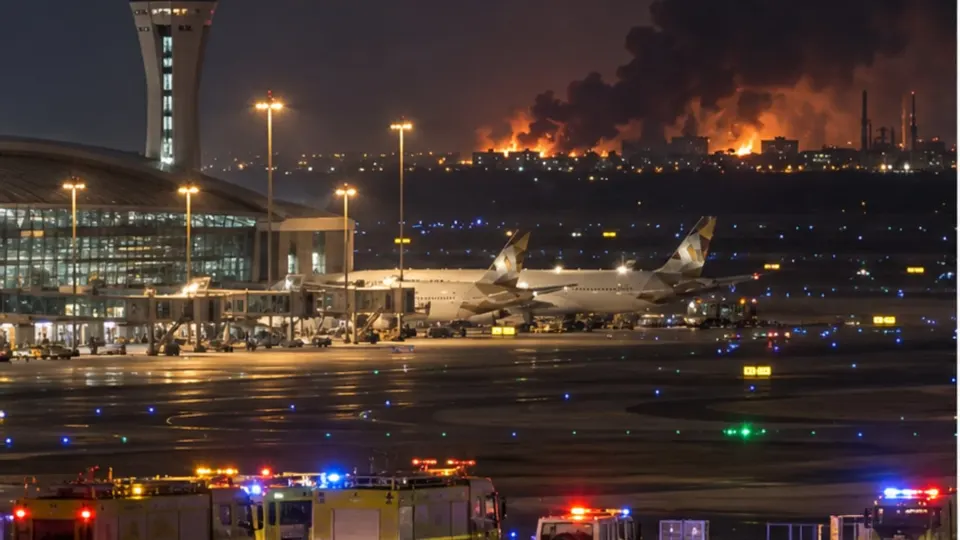
Residents heard an explosion and a large plume of black smoke was seen near King Khalid International Airport. Saudi authorities reported no casualties or damage from the missile attack. The precise cause of the visible fire and smoke had not been publicly established when this article was prepared, so images from the area should not be treated as proof that a missile hit the airport.
The Houthis claimed they had attacked sensitive sites in Riyadh and facilities belonging to Saudi Aramco at Yanbu with missiles and drones. They provided no evidence for claims of major fires, and Aramco did not immediately comment. The Associated Press said it could not independently verify the group’s account.
What is confirmed
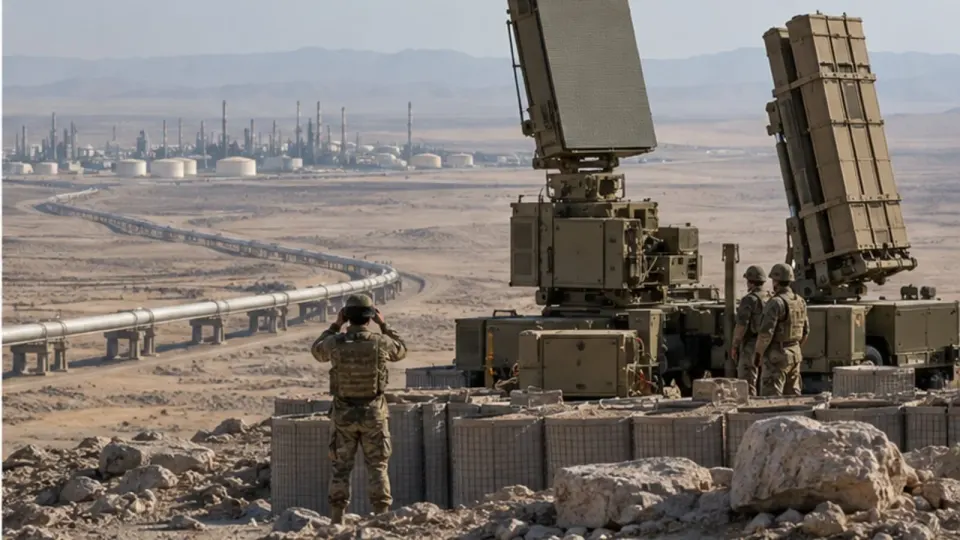
The Saudi-led coalition said the Riyadh missile was intercepted. It also reported thwarted attacks against civilian infrastructure in Yanbu, Taif, Baysh and Farasan. Yanbu matters internationally because it is the Red Sea endpoint of a major pipeline designed to move Saudi oil without relying on the Strait of Hormuz.
That means the conflict is pressing against two pieces of the world’s energy plumbing at once. The Houthis have expanded their position around Yemen’s Red Sea coast and the Bab el-Mandeb Strait, while attacks have already placed Saudi infrastructure and shipping under pressure.
The distinction between claims, interceptions and verified damage is vital. Armed groups have incentives to exaggerate impact; governments have incentives to minimise it. A plume of smoke is evidence of a fire, not an automatic audit of who caused it, what burned or how much capacity was lost.
Why British households should care
Britain does not buy every litre of fuel directly from Saudi Arabia, but oil is priced in a global market. Disruption or credible risk around major export routes can lift crude prices, shipping insurance and transport costs. Those effects can travel into petrol, aviation, manufacturing and eventually the weekly shop.
The UK also has a defence relationship with Saudi Arabia. AP reported that Riyadh has asked several partners, including Britain, for air-defence support as its interceptor stocks come under strain. Any British assistance would deserve clear parliamentary and public explanation, particularly given the long and devastating history of the Yemen war.
This latest escalation follows years of conflict interrupted by a period of relative calm. Renewed fighting inside Yemen has displaced civilians and revived the danger that local warfare becomes a wider contest involving Iran, Saudi Arabia, the United States and other allies.
For more on the price consequences, see OutOut’s Money coverage.
What happens next
The immediate questions are whether airport operations were affected, whether Saudi infrastructure sustained separate damage, and whether Riyadh responds militarily. Shipping movements and oil exports around Yanbu and Bab el-Mandeb will be watched closely.
The OutOut verdict
The Middle East has acquired so many overlapping red lines that it now resembles a toddler’s colouring book drawn exclusively with an angry felt-tip pen.
The useful response is disciplined verification and urgent diplomacy. A missile towards a capital is a major escalation even when intercepted. Turning every unverified claim into a dramatic certainty only gives propaganda departments free distribution. The region needs fewer launches, fewer victory statements and considerably more adults willing to stop the next one.