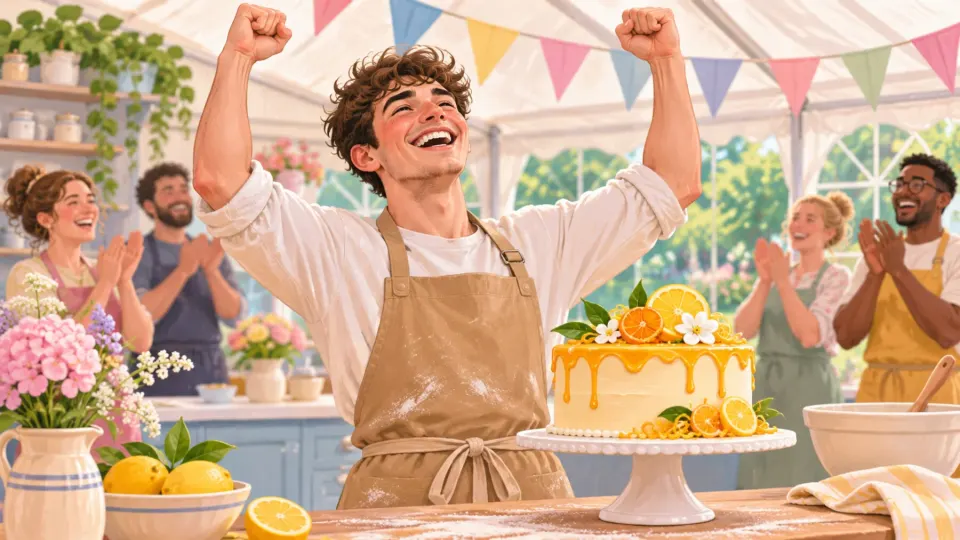
Moyin, a 22-year-old baker from Essex, has won The Great British Bake Off 2026 after defeating fellow finalists Mo and Tom in Tuesday night's Channel 4 final. Noel Fielding announced the result at the end of the programme's 17th series, after three challenges designed to test technique, flavour and the finalists' ability to remain upright while an entire tent stared at their pastry.
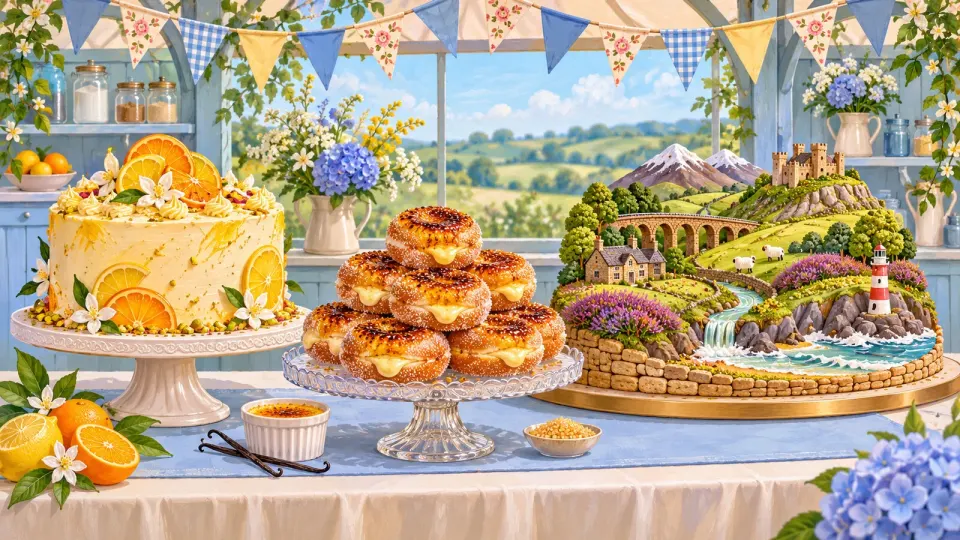
Channel 4 confirmed the result immediately after broadcast on 24 November. The final asked the bakers to produce a citrus celebration cake, crème brûlée doughnuts and a showstopper inspired by iconic British landscapes. Judges Paul Hollywood and Nigella Lawson chose Moyin after a series in which, Hollywood said, he improved steadily and delivered one of the best signature cakes the judge had tasted for a long time.
The outcome is confirmed by the broadcaster, so viewers who have not watched should consider the mystery comprehensively spoiled. This is not one of those articles that promises “winner revealed” and then makes readers scroll through the history of flour before naming him. Moyin won. The flour has accepted the result.
A final in three parts
The signature challenge was an ultimate citrus celebration cake, requiring the finalists to balance acidity, sweetness, structure and decoration. Citrus sounds cheerful until a sponge becomes damp, a curd refuses to set or zest turns bitterness into the fourth judge. Moyin's cake drew especially strong praise from Hollywood and became a decisive moment in the broadcaster's account of the final.
Next came crème brûlée doughnuts, a technical collision between enriched dough, custard and the brittle caramel top that gives the dessert its name. Each element can fail independently, which is generous in the way a staircase with several loose steps offers multiple routes to the floor.
The showstopper asked for a tribute to an iconic British landscape. That brief combines baking with architecture, geography and the knowledge that a buttercream mountain range has no statutory duty to remain standing. Channel 4 did not publish a complete scorecard or numerical margin; the final decision was the judges' overall assessment across the challenges.
Moyin's route to the trophy
Twelve bakers entered the series. Across ten episodes, the programme moved through cake, biscuit, audience choice, bread, free-from party, caramel, pastry, meringue, dessert and patisserie weeks before the final. Channel 4's introduction to the cast described Moyin as balancing study, athletics, baking and part-time work.
Hollywood's post-final assessment emphasised progression. He said Moyin had struggled near the beginning but became better and better. That arc is central to Bake Off's appeal: competence is visible, mistakes are survivable and improvement can matter more than arriving in week one already able to laminate dough with the emotional composure of a Swiss watchmaker.
Moyin described himself as shocked by the result and said he had made friends for life. The reaction from his family was, in Hollywood's account, unlike anything the judge had previously seen and “pure magic”. The broadcaster's release gives those remarks as the participants' immediate response; it does not announce a cookbook, television deal or professional bakery.
That boundary is worth keeping. Bake Off winners often receive opportunities, but the programme's prize is the achievement and the cake stand, not an automatic media empire delivered before the washing-up. Any future project should be reported when Moyin or a publisher, broadcaster or business actually announces it.
Why the final travels beyond the tent
Bake Off remains a rare television format where tension comes from ordinary people trying to make something well. Nobody is asked to betray an alliance, marry a stranger or explain a villa argument beside an illuminated swimming pool. The villain is usually time, temperature or a biscuit with structural ambitions beyond its load-bearing capacity.
The 2026 series also marked Nigella Lawson's place alongside Paul Hollywood on the judging panel. Channel 4 says the pair judged 12 bakers through 30 challenges. The final's audience response and eventual viewing figures will be reported separately; overnight social conversation is evidence of interest, not a substitute for audited ratings.
OutOut's Entertainment coverage follows television stories without pretending every popular programme is a constitutional event. Our report on Peter Fluck and the legacy of Spitting Image covered a very different British television institution, but both programmes show how a familiar format can become part of the national weekly rhythm.
The OutOut verdict
Moyin won by doing the least modern thing imaginable: improving gradually in public. No manufactured scandal, no cryptic notes-app statement, no mid-series rebrand into a lifestyle founder. He baked, learned, survived caramel week and produced the goods when the tent became a pastel-coloured pressure chamber.
Mo and Tom reached the final after nine weeks of the same demands and deserve more than being filed as decorative runners-up. The final worked because all three looked capable of winning, and because the difference between triumph and a sympathetic hug can be one custard deciding it has other plans.
Congratulations to Moyin: winner of series 17, owner of the cake stand and the only person in Britain who can now hear “citrus celebration” without needing to sit quietly in a dark room.
Sources
- Channel 4: The Great British Bake Off Series 17 — The Final, published 24 November 2026.
- Channel 4: Meet the Great British Bake Off 2026 bakers, published 8 September 2026.
- Channel 4: Bake Off final advertising takeover, published 24 November 2026.