Jeffrey Archer, the novelist who sold more than 300 million books and the politician imprisoned for perjury after winning a spectacularly misleading libel case, has died aged 86. His publisher said he died suddenly and peacefully at home on Monday 5 October, between writing sessions.
His final novel, Adam and Eve, is published on Tuesday—one day after his death. The timing is so neatly dramatic that an editor would normally send it back as over-plotted, but Archer spent half a century demonstrating that improbable turns become commercially useful when delivered at speed.
HarperCollins said his work was sold in 119 countries and that he spent a combined five and a half years on the New York Times bestseller lists. He had appeared at a sold-out London event on Sunday, signing books and discussing the final novel, and was due at the Cheltenham Literature Festival this weekend.
The numbers establish an extraordinary popular career. They do not erase a public life that also included financial trouble, Conservative politics, a record libel award, a collapsed mayoral candidacy and prison. An honest obituary has to hold both stories at once.
From bankruptcy to bestseller
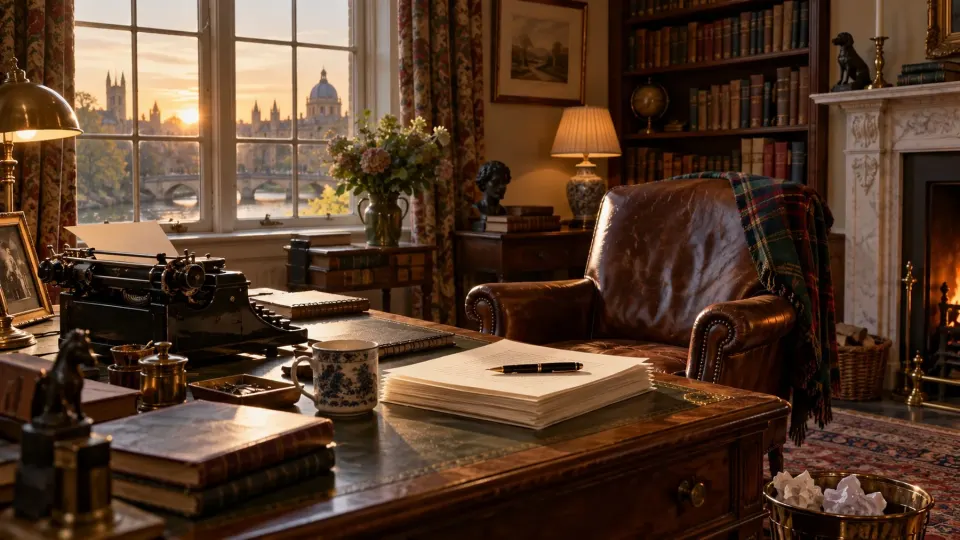
Archer entered Parliament as Conservative MP for Louth in 1969 and resigned in 1974 after a financial scandal left him heavily in debt. Writing became the recovery plan. His debut novel, Not a Penny More, Not a Penny Less, appeared in 1976; Kane and Abel followed in 1979 and became his signature international success.
His fiction favoured ambition, rivalry, reversals and people attempting to outmanoeuvre systems designed by other ambitious people. Critics were often cool. Readers were not. Archer wrote in multiple drafts, promoted relentlessly and understood that narrative momentum is a product in its own right.
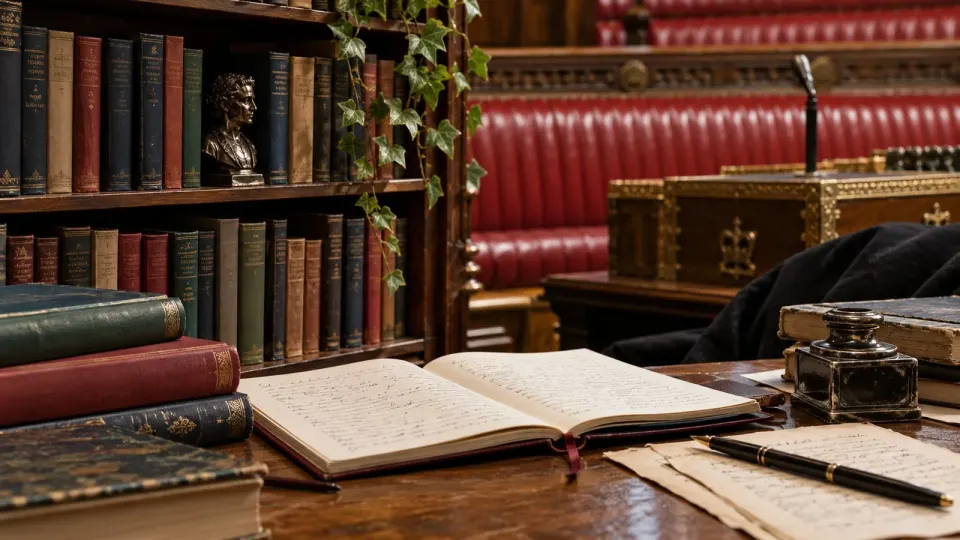
He returned to frontline politics and became deputy chairman of the Conservative Party under Margaret Thatcher. He was made a life peer in 1992 and remained in the House of Lords until retiring in 2024.
The overlap between novelist and politician was not a side note. Archer’s public identity relied on the same ingredients as his books: wealth, access, performance, crisis and the promise of a comeback before the previous chapter had finished.
The libel victory that became a conviction
In 1987 Archer won £500,000 in damages from the Daily Star after suing over an allegation that he had paid a woman for sex. The trial became notorious for Mr Justice Caulfield’s florid description of Mary Archer and his rhetorical question about whether her husband needed a seedy encounter.
The victory did not survive later evidence. When Archer was selected as the Conservative candidate for London mayor in 1999, a former friend said he had lied and fabricated an alibi. Archer withdrew. He was later prosecuted, convicted in 2001 of perjury and perverting the course of justice, and sentenced to four years in prison. He served two.
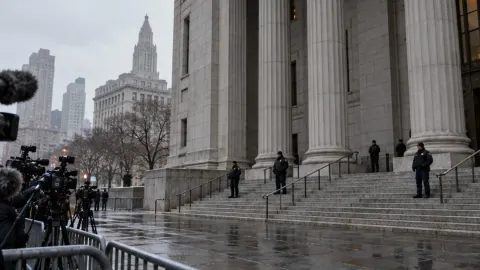
Those are court findings, not allegations. The distinction matters in an obituary just as it does in live reporting. Archer’s imprisonment was not a vague “controversy” generated by unfriendly newspapers; it followed a criminal trial and conviction.
He turned prison into another publishing project, producing three volumes of A Prison Diary. It was characteristic adaptation: the institution that removed his freedom supplied new material and a fresh market. Admirers saw resilience and candour. Critics saw a gifted self-mythologist converting accountability into content.
Both readings help explain why he remained fascinating. Archer did not merely survive disgrace; he placed it inside the author brand, next to the book jackets and political photographs, and continued selling stories.
A complicated literary legacy
Commercial popularity is not a consolation prize for failing to impress critics. Three hundred million sales indicate a durable ability to make people turn pages across languages and cultures. Archer’s plots influenced the modern airport thriller and the long-form family saga, while his disciplined redrafting complicates any caricature of effortless pulp.
It is also fair to distinguish readability from literary greatness. Sales quantify reach, not artistic value, and a bestseller list cannot settle a critical argument. Archer’s work will continue to be judged by readers who care little about either establishment approval or Westminster embarrassment.
His final publication ensures an immediate new wave of attention. Publishers and retailers should handle that interest without pretending death removes the difficult chapters. A respectful account can celebrate the pleasure his fiction gave while stating plainly how he abused a court process.
OutOut’s recent coverage of the legal process around Andrew Mountbatten-Windsor makes the same basic distinction: status creates public interest, but verified findings and current allegations belong in different drawers.
The final day of the story
HarperCollins said Archer and his wife Mary had celebrated their 60th wedding anniversary this year. They had two sons and five grandchildren. The family has lost a husband, father and grandfather; readers have lost a writer who remained active until his final hours.
Gyles Brandreth, who appeared with him at Sunday’s event, described him as energetic, funny and self-deprecating. Publisher Kate Elton called him a master storyteller and praised his hard work and commitment to repeated drafts. Those are attributed tributes from people who knew and worked with him, not neutral verdicts on every part of his life.
His last novel arriving the morning after his death will inevitably be marketed as a farewell. Readers can decide whether it is a final flourish, another efficient thriller or both. What cannot be disputed is that Archer was still working, promoting and rewriting at 86.
The OutOut verdict
Jeffrey Archer’s life resembled a Jeffrey Archer novel after an editor requested fewer implausible subplots and received two more. Parliament, millions, a record libel award, exposure, prison, diaries and a final book delivered exactly as the curtain falls: subtle it was not.
He leaves a genuinely large readership and a cautionary public record. The first deserves respect; the second deserves accuracy. Obituaries do not need to function as either prosecution speeches or promotional blurbs.
The cleanest judgment is that Archer possessed a rare and relentless gift for story—on the page, in politics and in the reconstruction of himself. Sometimes that gift entertained millions. Sometimes it helped him tell a lie to a court. The whole life belongs in the final edition.
Sources
* Reuters, 5 October 2026: Jeffrey Archer dies aged 86
* The Guardian, 5 October 2026: former politician and novelist dies