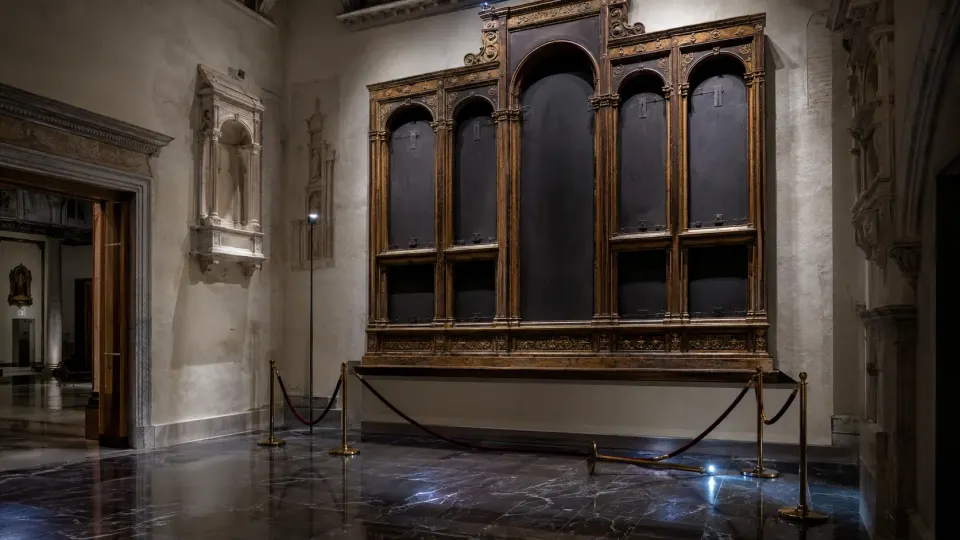
Thieves stole three surviving panels from one of Sicily's most important Renaissance masterpieces during Messina's biggest religious festival, in a raid investigators reportedly believe lasted only two or three minutes.
The target was Antonello da Messina's 1473 Polittico di San Gregorio, a multi-panel altarpiece that had never before left the artist's home city.
The burglars also took a small double-sided devotional painting from a secure display case.
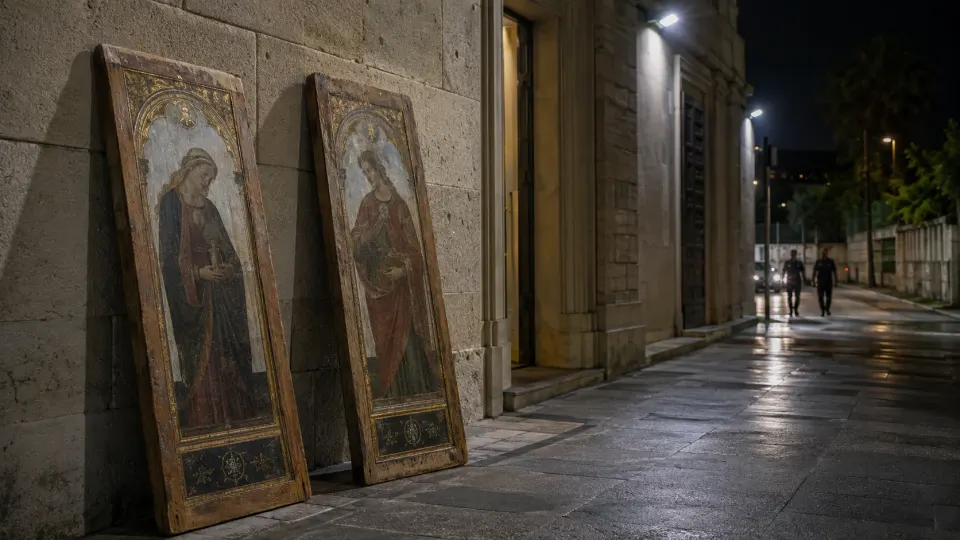
Then the story became stranger: two panels removed from the altarpiece were found carefully propped on a wall outside the museum.
The one night everybody was somewhere else
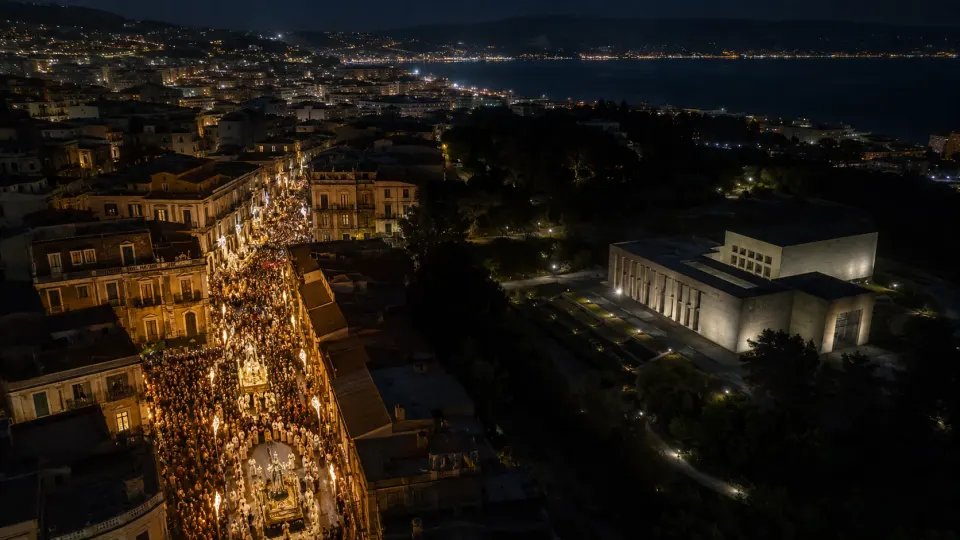
The raid happened on 15 August during the Vara procession, when more than 150,000 people can fill central Messina and hundreds of police officers are deployed around the event.
The regional museum sits several miles away on the quieter outskirts.
According to reporting by The Guardian, at least two masked men cut through the perimeter, forced a side door and went directly to the display. Investigators are considering whether lookouts or other accomplices were outside.
The choice of date appears anything but accidental. The city centre was packed. Roads were closed. The museum's surroundings were unusually quiet.
The alarm reportedly worked
One of the most troubling details is that the security alarm may have done exactly what it was meant to do.
Investigative sources cited by Italian media said an alert sounded when the artwork was disturbed. A guard reportedly believed it was false and switched it off.
That account forms part of an active investigation and should not be treated as a final finding. Questions also remain about how the thieves knew which entrance was not alarmed and how they dismantled five wooden panels so quickly.
Italian investigators routinely consider the possibility of inside information in major art thefts. No confirmed conclusion has been announced.
Why abandon two panels?
The five surviving panels of the altarpiece were removed, but two were left outside without obvious damage. Three remain missing, along with the smaller double-sided painting.
Experts have questioned whether the thieves misjudged the size, weight or difficulty of moving the full work. Investigators have not ruled out a commissioned theft, a future ransom demand or an escape across the water.
Stolen art that may be impossible to sell
Antonello is one of Sicily's defining painters. Earlier this year the Italian state paid about $15 million for another work attributed to him, a purchase local officials believe may have drawn criminals' attention to the Messina collection.
But the stolen panels are internationally recognisable and form part of an incomplete masterpiece. An illicit buyer could not display them publicly, insure them normally or sell them through a reputable market.
That makes the works valuable in theory and dangerously conspicuous in practice.
OutOut verdict
The raid appears to have had planning, timing, tools and a precise route to the target.
What it may not have had was a sensible answer to the final question: what do you do with a piece of art so famous that owning it is effectively a confession?
For now, black panels cover the empty museum display. The thieves have the pictures. Messina has the mystery. Investigators have a very short list of people who could ever hope to make money from either.