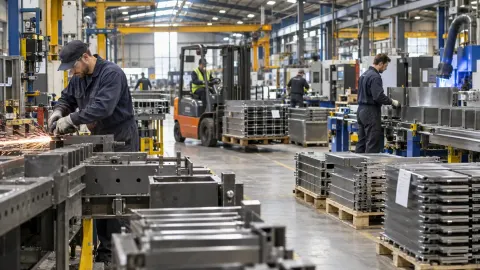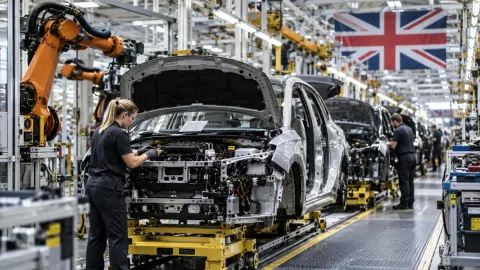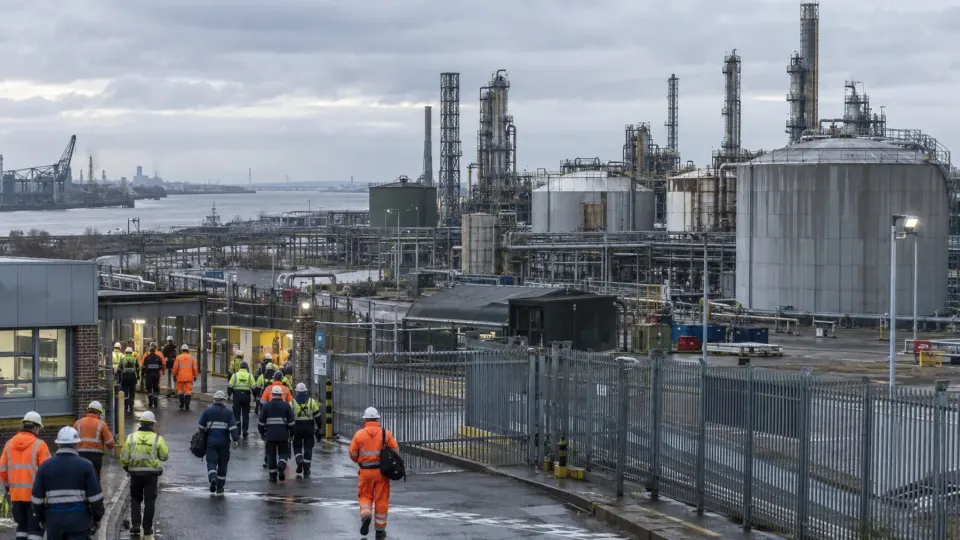
Ineos is suspending operations at three chemical plants in Hull, blaming energy costs that it says have made British production uncompetitive against factories in the United States and China.
The company said on Tuesday 22 September that the plants employ almost 4,000 people and make chemicals used in medicines, clothing, cosmetics, detergents, construction materials and explosives. It described the move as mothballing, which normally means preserving equipment so production could theoretically restart rather than immediately dismantling the sites.
That distinction matters, but it will provide limited comfort to workers until Ineos explains which jobs continue, what consultation will take place and what conditions would bring the plants back. A factory can be technically capable of returning while a family’s income has already left the building.
Chairman Jim Ratcliffe said British gas prices were 12 times those in America and eight times those in China. Reuters cited front-month UK gas at about $23.51 per million British thermal units, compared with $2.84 at the US Henry Hub. Ratcliffe also attacked what he called unsustainable carbon taxes.
Those are Ineos’s claims and framing. The price gap reported by Reuters is substantial, but a complete explanation of competitiveness also includes plant efficiency, contracts, product demand, exchange rates, labour, investment choices and company strategy. Energy is a major factor, not a magic eraser for every management decision.
Why three chemical plants matter beyond Hull
Basic and intermediate chemicals sit deep inside supply chains. Consumers rarely buy them directly, yet they appear in pharmaceuticals, cleaning products, textiles, insulation, paints and countless manufactured goods. When domestic production closes, Britain may import the same material from a country with cheaper power, different environmental rules or longer transport routes.
That can preserve supply while exporting industrial jobs and emissions. It can also weaken resilience if a crisis disrupts shipping or foreign production. The lesson of recent shortages was that a supply chain is wonderfully efficient until the bit on which everybody depends is suddenly unavailable.

Hull and the Humber have generations of industrial expertise and infrastructure. Losing activity is not only about the employees directly affected. Contractors, hauliers, maintenance firms, local shops and training pipelines all feel a large site slow down. Specialist workers may leave the region or the industry, making any future restart harder.
The government therefore needs exact numbers: how many employees are at risk, how many will remain maintaining the mothballed assets, whether redeployment is available and how long Ineos expects the suspension to last. “Almost 4,000 employed” is not the same as “4,000 redundancies”, and responsible reporting should not convert one into the other.
Britain’s industrial energy squeeze
Energy-intensive industries face a structural problem. Gas and electricity can represent a large portion of production costs, while overseas competitors operate with cheaper fuel or public support. Russia’s invasion of Ukraine shattered Europe’s previous energy model, and the Middle East conflict has added pressure to global supply and prices.
Britain also asks industry to reduce emissions through carbon pricing and regulation. That policy has a legitimate purpose: pollution has a cost even when it does not arrive as a line on the company electricity bill. But if policy merely makes British production uneconomic while imports rise from higher-emitting plants abroad, the country achieves excellent paperwork and questionable climate progress.
The answer is not simply to abolish every environmental charge. It is to give energy-intensive manufacturers a credible route to cleaner, affordable power: faster grid connections, long-term electricity contracts, carbon-capture infrastructure where it works, support for efficiency and consistent rules that reward investment rather than lobbying volume.
Ineos has an interest in presenting taxes and regulation as the villains. Ministers have an interest in presenting every closure as an isolated commercial decision. Workers would benefit if both parties temporarily put down the press release and published the numbers.
What should happen next
The immediate priority is formal consultation with employees and unions. Ineos should state the employment impact site by site and disclose the economic test for restarting production. Ministers should identify whether viable production is being lost to a temporary price spike or whether the facilities require deeper modernisation.
Any public support must be conditional. Taxpayers should not write a blank cheque to a wealthy private group, but neither should government wait until strategic plants have emptied and then announce an industrial strategy beside the padlocked gate. Assistance can be tied to investment, emissions reductions, retained jobs and transparent accounts.
The announcement also lands awkwardly beside better national factory-order figures released the same day. Both can be true: manufacturing as a whole may be stabilising while an energy-intensive corner is being crushed. Averages do not issue redundancy notices.
Follow the effects on jobs, prices and households in OutOut’s Money coverage.
The OutOut verdict
Britain keeps promising a green industrial future while charging some existing industrial users prices that make the present tense difficult. The result risks becoming a beautifully decarbonised country because somebody else now manufactures the chemicals.
Ineos must provide clarity and accept scrutiny of its own decisions. Government must decide whether chemical capacity and thousands of skilled jobs are strategically worth retaining. Mothballing is supposed to preserve the option of return. Without an energy plan, it can become closure wearing a dust sheet.