Two routes that help keep the world’s oil and goods moving are under fresh pressure, which is the sort of sentence that eventually turns up on a British petrol-station sign wearing a new number.
Reuters reported on Saturday 12 September that Houthi forces had advanced through southern Yemen and reached Perim island in the Bab el-Mandeb strait. Separately, Saudi Arabia temporarily shut its East-West oil pipeline after a drone attack that caused injuries and damage, according to another Reuters report.
The events are related by geography and energy security, but the available reporting does not establish that they were one coordinated operation. Each should be assessed on its own evidence.
Why Bab el-Mandeb matters
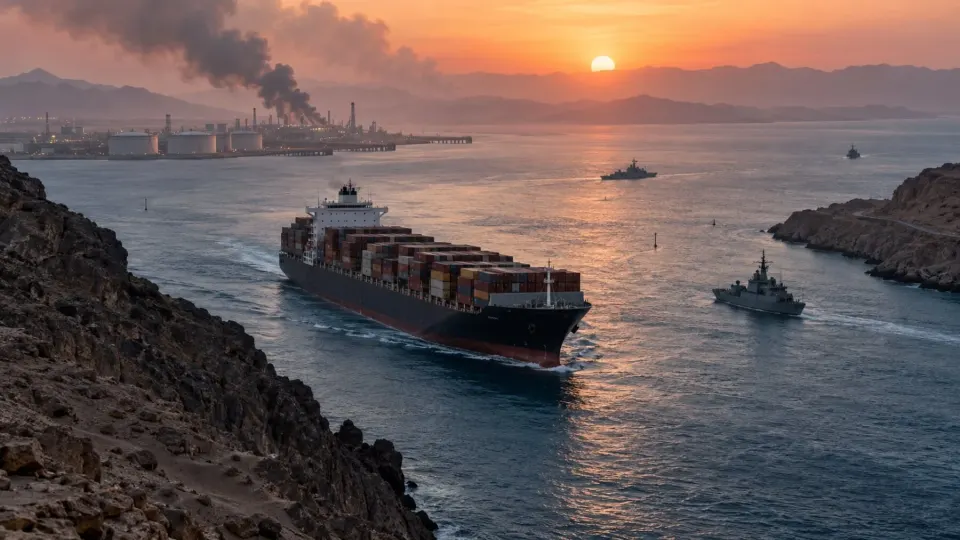
Bab el-Mandeb is the narrow gateway between the Red Sea and the Gulf of Aden. Reuters estimated that about 7% of global petroleum and 12% of global trade passes through it. Ships using the Suez Canal generally need this route; disruption can force a much longer voyage around southern Africa.
Perim island sits in the strait. A Houthi presence there would not automatically close the waterway, but it could increase the threat perceived by shipping companies and insurers. Risk alone can divert vessels, raise premiums and slow deliveries before a single port formally closes.
The United States said it was not planning direct intervention at that stage, while Reuters reported that Saudi Arabia had sought help from Washington, citing sources. Decisions may change quickly in a conflict, so military intentions should be treated as current positions rather than permanent promises.
The pipeline built to bypass trouble
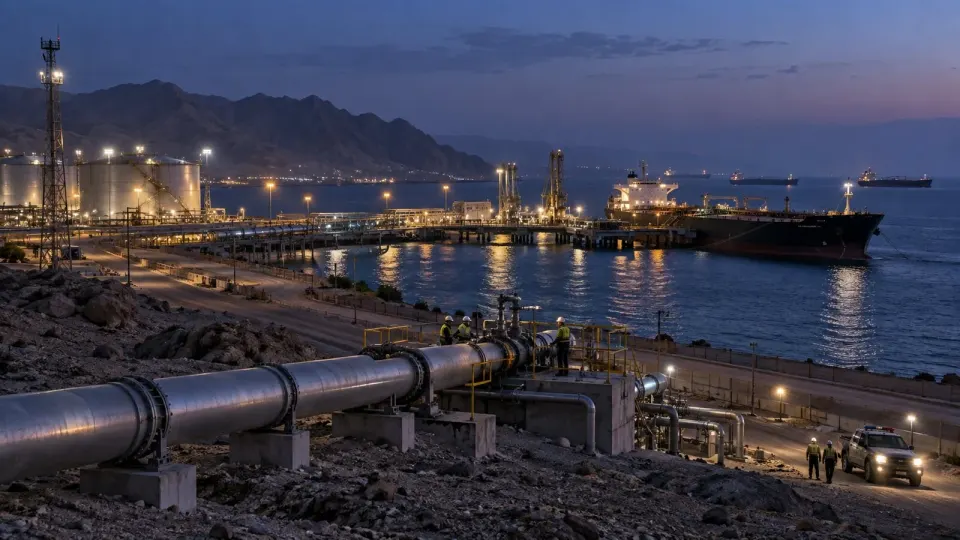
Saudi Arabia’s roughly 1,200-kilometre East-West pipeline moves crude from the kingdom’s eastern oil fields to the Red Sea. Its reported capacity is up to five million barrels a day, close to 5% of global supply. Crucially, it lets Saudi exports bypass the Strait of Hormuz.
That makes the shutdown strategically awkward. A route designed as insurance against disruption in one chokepoint has itself been interrupted while another chokepoint becomes more dangerous.
Reuters said the pipeline was temporarily shut following a drone attack believed to have originated in Iraq. President Trump said Iran was probably responsible, but that was an attribution by a political leader, not a publicly demonstrated conclusion. Iran and the Houthis had not responded to Reuters requests for comment at the time of publication.
The duration matters more than the drama of a headline. A short closure can be managed with storage, spare capacity and alternative loading arrangements. A prolonged or repeated disruption can squeeze supply flexibility and add a geopolitical premium to crude prices.
What it could mean in Britain
Crude oil is only part of the price motorists pay. Sterling’s exchange rate, refining margins, distribution and tax also matter. That is why a jump in oil does not translate instantly or perfectly into the same percentage increase at the pump.
Shipping disruption travels through more than fuel. Longer voyages consume more energy and tie up vessels, while higher insurance and freight costs can feed into imported goods. The effect on one supermarket item may be tiny; across an economy, the friction accumulates.
The sensible warning is therefore conditional. These developments increase risk, but they do not guarantee a specific price or shortage. Anyone confidently announcing next Tuesday’s petrol price from a map of the Red Sea is performing astrology with tankers.
OutOut’s World section will follow the security picture, while Money explains what global shocks mean for household bills.
The OutOut verdict
The global economy has spent decades perfecting just-in-time delivery, then routed a heroic amount of it through narrow strips of water beside active conflicts. Efficient? Absolutely. Relaxing? Only if your hobbies include marine insurance clauses.
The immediate job is to distinguish confirmed disruption from claims about responsibility and future escalation. The larger lesson is that alternative routes only provide resilience when the alternatives are not all entering the same crisis at once.