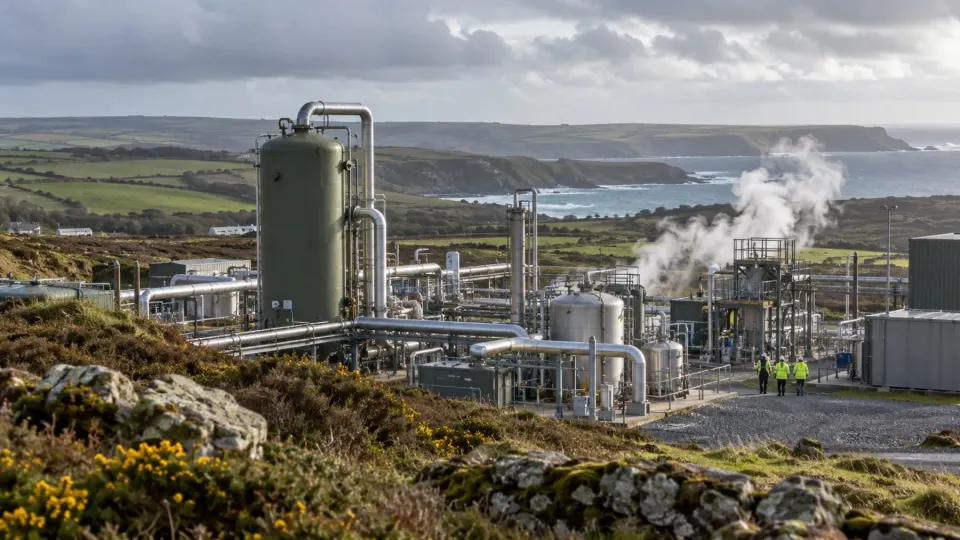
Geothermal Engineering Limited plans to invest about £43 million in a lithium-extraction facility in Cornwall, with commercial production scheduled for 2029. The government has offered nearly £10 million through its DRIVE35 Automotive Transformation Fund, subject to due diligence and final approval. Ministers say the project will create nearly 50 direct jobs and support about 80 more in the supply chain.
The plant is expected initially to produce around 1,500 tonnes of technical-grade lithium carbonate a year from geothermal brine. The government says that amount could support more than 180,000 typical electric-vehicle batteries. That is a conversion claim about material content, not a promise that 180,000 complete British cars will roll out of Cornwall every year. Batteries also require processing, cathode materials, cells, factories and customers.
The attraction is obvious. Lithium is central to many rechargeable batteries, while global extraction and especially processing are concentrated in a small number of countries. A domestic source could reduce exposure to disruption and build technical knowledge. Cornwall also has mining history, geothermal resources and an emerging cluster of companies trying to turn both into a modern industry.
How geothermal lithium differs
The proposal involves bringing hot mineral-rich brine from underground, using it for geothermal energy and extracting lithium compounds from the fluid. In principle, this can pair heat and mineral production while avoiding the vast evaporation ponds associated with some South American projects or the conventional hard-rock route used elsewhere. “In principle” is doing useful work: environmental performance depends on the actual energy, chemicals, water handling, recovery rate and waste at the operating plant.
GEL says its brine can provide a reliable and sustainable source. That is the company's assessment. Regulators and independent data will need to test groundwater protection, reinjection, emissions and local impacts. A green supply chain does not become impact-free because the pipes are stainless steel and the press release mentions net zero.
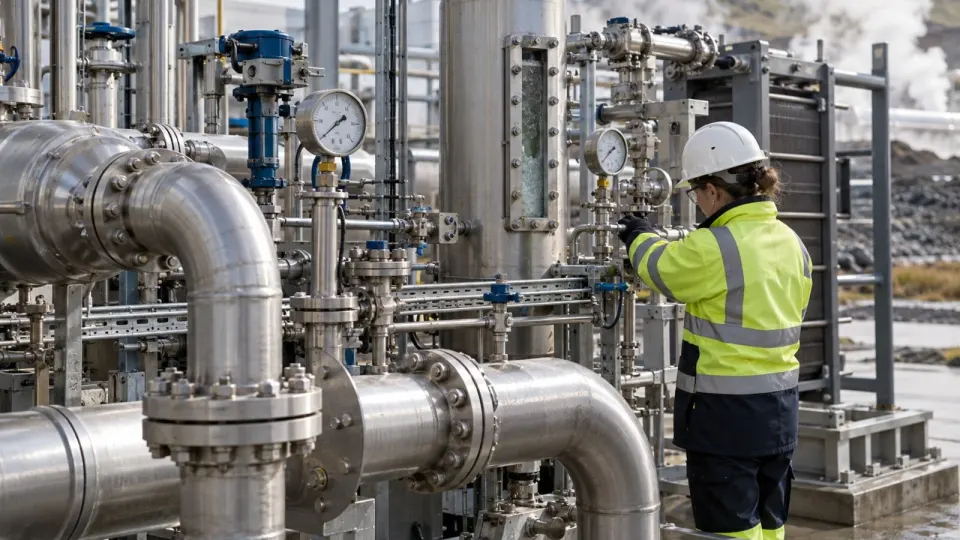
The government expects lithium demand to rise 1,100% by 2035. Forecasts can change with battery chemistry, recycling, vehicle demand and technology, but the strategic direction is credible: electrification requires far more battery material than Britain currently produces. The UK's Critical Minerals Strategy 2035 treats domestic extraction, diverse imports, recycling and international partnerships as parts of the same answer.
That last point is important. A 1,500-tonne facility will not make the UK independent of global lithium markets. The project's stated potential to scale to tens of thousands of tonnes is an ambition, not current capacity. Resilience usually comes from several sources and less waste, not replacing one dependency with a patriotic monopoly.
Public money and commercial risk
The near-£10 million government offer has not passed final approval. The background note explicitly says due diligence remains. That condition should travel with every headline because it separates a proposed grant from money irreversibly committed. Public support can help first-of-a-kind plants cross the gap between laboratory success and commercial finance; it can also socialise risk if milestones are weak.
The sensible questions are therefore practical. What performance triggers release each part of the funding? What happens if production slips beyond 2029? Who owns equipment bought with public assistance if the project fails? Will environmental and production data be published? Commercial confidentiality has a place, but taxpayers should be able to see whether the promised capacity and jobs appeared.
The jobs claim is modest enough to be believable: nearly 50 direct and around 80 supported. Those roles may carry disproportionate value if they build specialist extraction, chemical-processing and geothermal skills. Cornwall does not need another boom story in which the investment number receives national coverage and the long-term local employment is quietly revised later.
Local consent matters as much as national strategy. Residents will reasonably ask about traffic, noise, landscape, water, emergency planning and who benefits from the skilled posts. Early publication of permits and monitoring data would make the sustainability claim easier to trust. A project can serve the national interest while still owing clear answers to the community beside the gate.
Recycling belongs in the same conversation. Domestic extraction may reduce exposure to imports, but recovering lithium from used batteries can cut future raw-material demand and keep more value in Britain. New mining and circular supply chains should be designed as complements rather than rival slogans competing for the same ministerial visit.
The project also connects to a £185 million Tees Valley Lithium refinery proposal, which has an offer in principle for £18.3 million. Extraction and refining are different links. If British brine becomes a battery-grade product through British processing and reaches a British cell plant, the resilience argument strengthens. If each project operates on a separate timetable with no customer, the map looks better than the supply chain.
OutOut recently covered the risk that British cars could be excluded from European incentives. A domestic battery-material industry cannot remove trade barriers, but it could add value and make the automotive sector harder to dislodge. The policy needs export access as well as mines.
The OutOut verdict
Cornwall's mining past does not automatically guarantee a lithium future, but geothermal brine is more than heritage tourism with pipes. The project has a defined investment, proposed public contribution, jobs estimate, capacity and target date. That makes it testable.
Approve the grant only after hard due diligence, publish milestones and let the plant prove its environmental claims in operation. The battery revolution needs minerals; Cornwall deserves more than being used as the scenic background for them.