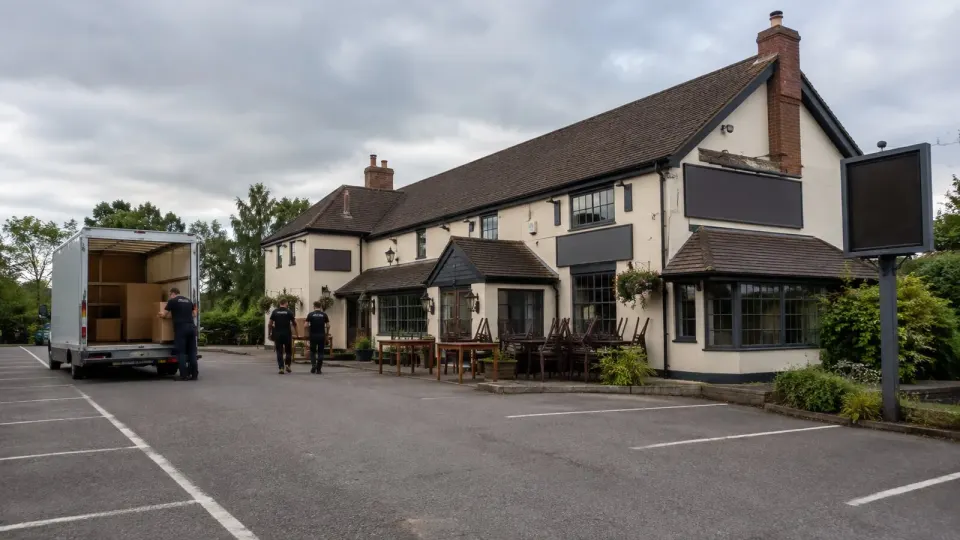
Every remaining Table Table restaurant closes today, bringing an end to the family dining chain whose name sounded like somebody had forgotten to finish the branding meeting.
Whitbread is shutting all 32 sites on 3 September as part of a much larger retreat from standalone pub and restaurant brands. Bar + Block and Cookhouse + Pub locations are also closing, with Beefeater and Brewers Fayre following as the group concentrates on Premier Inn.
By the middle of September, the plan covers 208 dining and pub sites. Behind the tidy corporate phrase “portfolio transformation” are familiar restaurants, local jobs and a great many children who believed the unlimited breakfast machine was a public service.
Why is Whitbread doing this?
Whitbread wants to become a more focused hotel business. Chief executive Dominic Paul has argued that the company needs a simpler, higher-return operation after significant cost increases.
Some restaurant sites are expected to be sold. Others sit beside Premier Inns and can be converted or redeveloped to add roughly 600 hotel rooms. The logic is that bedrooms make better use of the land and produce more reliable returns than operating a collection of different dining brands.
That makes sense in a spreadsheet. It feels different when the spreadsheet is your shift rota.
What happens to staff?
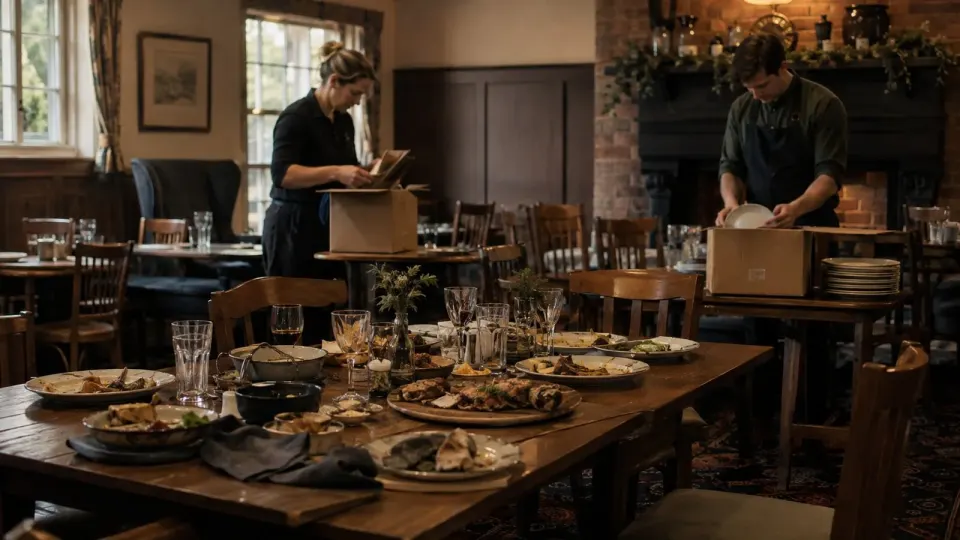
Around 3,800 roles are affected across the wider programme, although Whitbread has said it hopes to redeploy many employees. The final number of redundancies will depend on transfers, vacancies and what happens to sold sites.
For workers, “redeployment opportunity” can mean a welcome move. It can also mean different hours, a longer journey or a job that no longer fits around care and family commitments. A national restructuring is experienced one bus route at a time.
The closures also matter locally. Roadside restaurants are rarely fashionable, but they serve groups the fashionable places sometimes forget: families with young children, older diners who want familiar food, tradespeople working away and hotel guests who do not fancy researching six small plates on arrival.
The end of the mid-market everything-menu
Table Table emerged during the 2000s and offered the dependable British formula: burgers, grills, fish and chips, curry, pudding, children’s menu, nobody required to pronounce a sauce in French.
That middle of the market has been squeezed hard. Food, energy and staffing costs climbed. Customers faced tighter household budgets. Value chains promoted aggressive deals while independent pubs tried to sell experience and quality. The large branded dining room between them became expensive to heat and difficult to distinguish.
Whitbread is not abandoning food altogether. Premier Inn still needs to feed hotel guests, and some retained restaurants will operate under hotel-focused arrangements. What disappears is the attempt to make several separate restaurant names into destinations in their own right.
The OutOut verdict
Nobody will pretend Table Table was Britain’s answer to haute cuisine. That was never the point. It was where a mixed group could sit down without conducting treaty negotiations over the menu.
The closures are a rational corporate decision and a small cultural loss. Another piece of the dependable, slightly beige roadside Britain is being stripped out because the land works harder as bedrooms.
Premier Inn may gain 600 rooms. The country loses 32 places where everybody could order something different and one adult would inevitably say, “Actually, the pie’s not bad.”