Primark is preparing to launch home delivery in Britain, ending one of retail’s longest games of pretending the internet might go away if nobody answered the door.
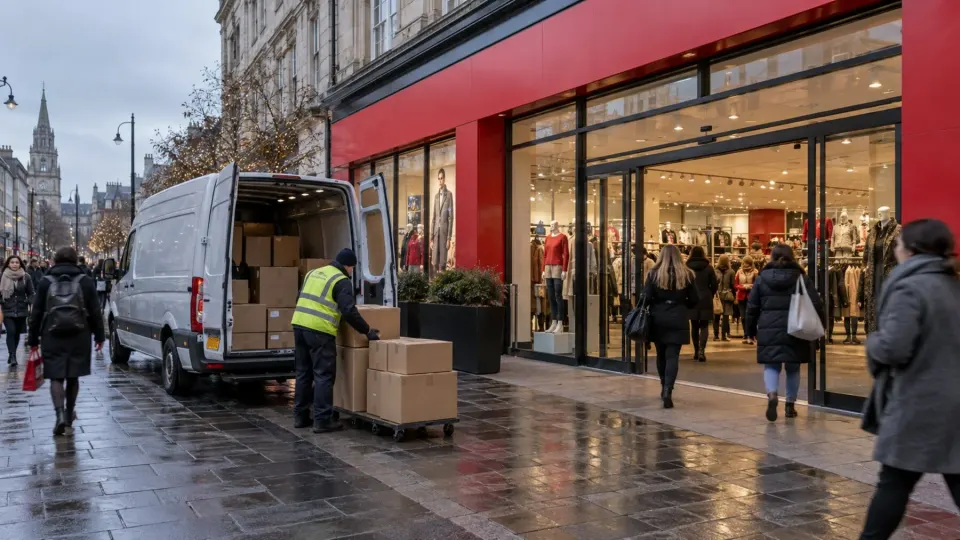
Associated British Foods, Primark’s owner, said on Thursday 10 September that the chain had bought an automated distribution centre in Sheffield from Debenhams for £90 million. Reuters reported that the site will support a future home-delivery operation, although the company has not yet announced a launch date.
That last qualification matters. This is a confirmed change of direction and a serious piece of infrastructure, not permission to sit refreshing a checkout page this afternoon. Primark still has to integrate the warehouse, build the customer journey and decide how delivery economics work with clothes whose appeal is often their low price.
Why Primark resisted delivery
Primark built its model around large shops, high volumes and low operating costs. Customers travelled to stores, handled the goods and took their purchases home. That avoided the delivery, packaging and return costs that eat into online fashion margins.
The formula also made a Primark trip feel like an event. Its biggest stores are destinations, and an unplanned basket of socks, pyjamas and a lamp shaped like fruit is part of the experience. During the pandemic, however, the absence of a transactional website became an obvious vulnerability.
Primark later introduced click-and-collect across Britain, allowing shoppers to order online and collect in a store. Home delivery is the larger leap because Primark, rather than the customer, must solve the expensive final mile.
Why change now?
Sales pressure provides context. ABF said Primark’s fourth-quarter like-for-like sales were expected to fall by about 3%, with growth of 0.4% in the UK and Ireland offset by a 4.3% decline in continental Europe. Its shares dropped sharply after the update.
Those figures do not prove that delivery is a magic cure. They do show why management wants another route to customers. A delivery service can reach people who do not live near a large branch, improve stock visibility and help Primark compete for purchases that begin with a phone rather than a walk down the high street.
The Sheffield acquisition is also more convincing than a vague promise. An automated fulfilment centre is built to receive stock, pick orders and dispatch parcels at scale. It gives Primark an operational base instead of asking existing stores to behave like improvised warehouses.
The returns problem
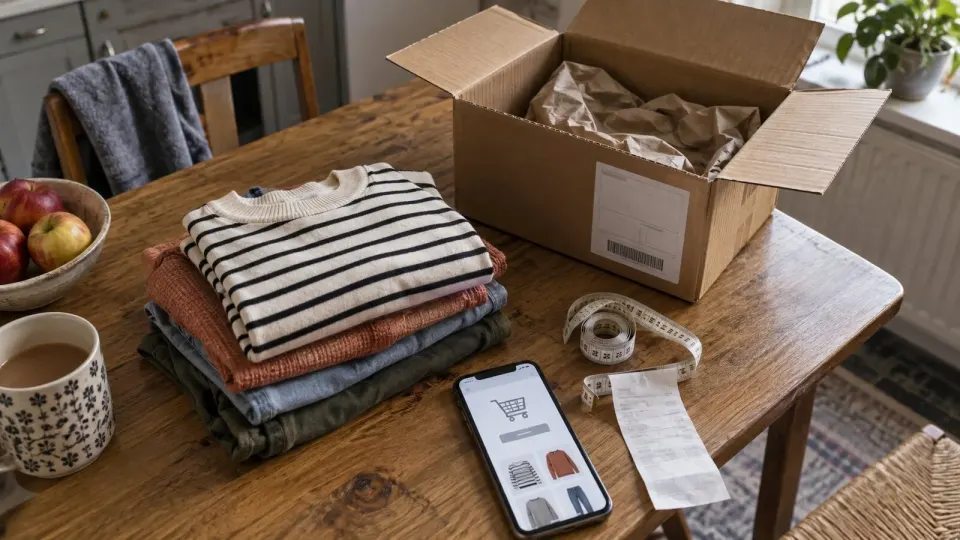
Cheap fashion can become expensive logistics. If someone orders several sizes and returns most of them, the retailer pays to pick, pack, transport, inspect and restock low-margin items. Primark will have to use delivery charges, minimum spends, return rules or a combination of all three to keep the service viable.
There is an environmental question too. Consolidated warehouse delivery can be efficient, but extra packaging and frequent returns carry a cost. The useful measure will be the complete system, not a cheerful claim that one cardboard mailer is recyclable.
ABF is also preparing to separate Primark from its food businesses. Reuters said the demerger is expected in December 2027. Giving Primark a fuller digital operation before it stands alone makes strategic sense, but investors will want evidence that online sales add profitable demand rather than merely moving store sales into a more expensive channel.
For more reporting on retailers and household spending, visit OutOut’s Money section. Our Technology section follows the systems changing how businesses sell to us.
The OutOut verdict
Primark has finally discovered the British front door. Somewhere, a giant paper shopping bag is quietly learning to become a parcel.
The serious test is not whether customers want delivery; plenty plainly do. It is whether Primark can preserve its low-price promise after paying for fulfilment and returns. The £90 million warehouse says this is more than a trial balloon. Until a launch date and charges appear, though, keep hold of the bus fare to town.