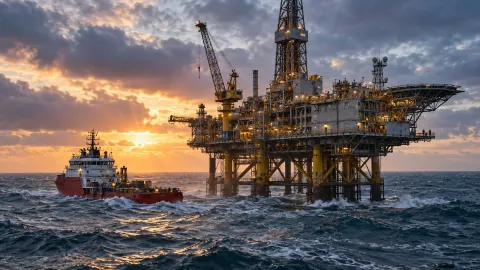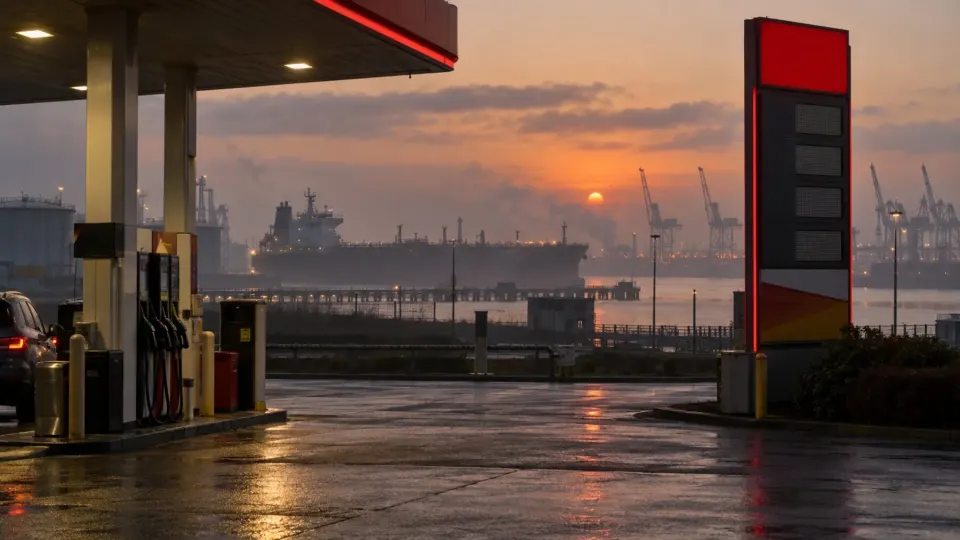
Brent crude remained above $100 a barrel in early trading on Thursday 10 September, keeping a fresh energy shock at the top of the economic worry list.
Reuters reported Brent at about $101.10 a barrel at 02:56 GMT, with US West Texas Intermediate at $96.24. Those prices move continuously, so they are a snapshot rather than a promise about where the market will close. The more important point is that Brent has risen by roughly 30% since early August as conflict involving the United States and Iran has again disrupted shipping and revived fears about supplies through the Gulf.
This is not simply a number for traders staring at six monitors. Oil feeds into transport, manufacturing, aviation, farming and the price of moving almost everything else. A sustained rise can therefore reach British households through several routes — but not all at once, and not with a neat “oil up 10%, bill up 10%” calculation.
Why oil has climbed again
The immediate concern is shipping. Reuters said Iran claimed attacks on 10 vessels after the US said it had sunk five Iranian tankers. Claims made by parties to a conflict require caution, but the market reaction reflects the broader and well-established risk: the Strait of Hormuz is a narrow route through which a substantial share of global oil and gas normally travels.
Flows through the strait have already been reduced during the conflict. Traders are now pricing the chance of further disruption, damage to vessels and higher insurance or transport costs. That extra “risk premium” can remain in the price even when oil is still moving.
The physical market matters too. If refiners cannot obtain the grades of crude they need at the expected time, replacement cargoes may have to travel farther and cost more. Alternative export routes exist, but they cannot instantly replace every barrel that would normally use Hormuz.
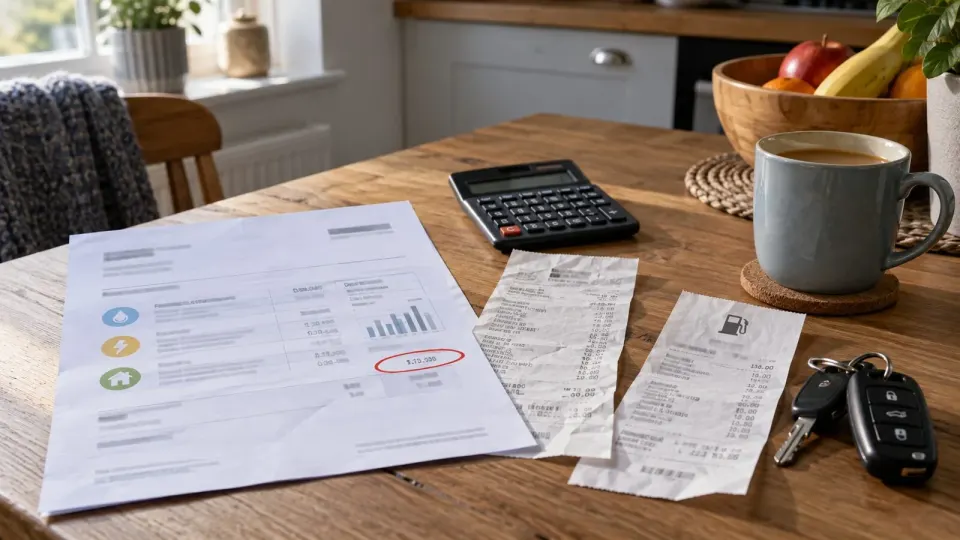
Will UK petrol prices rise?
They may, particularly if crude stays high, but the pump price is not set by crude alone. Petrol and diesel prices also include refining costs, transport, retailer margins, fuel duty and VAT. Currency matters because oil is generally traded in dollars: a weaker pound can make the same dollar-priced barrel more expensive for UK buyers.
There is also a delay. Fuel already in storage or moving through the supply chain was bought earlier. Wholesale changes normally work through to forecourts over time, and retailers do not all change prices on the same day. A one-day spike could fade before motorists feel the full effect; a sustained rise is much harder to absorb.
The safest way to judge the UK impact is to watch the Department for Energy Security and Net Zero’s weekly road-fuel figures and compare several weeks, not one especially alarming photograph of a petrol-station sign.
What about household gas and electricity?
The connection is less direct than many headlines suggest. Britain’s household energy price cap is based mainly on wholesale gas and electricity costs over a defined observation period, with network, policy and operating costs added. Crude oil does not mechanically determine the cap.
However, a serious Gulf disruption can also affect liquefied natural gas, shipping and wider energy markets. Gas prices influence electricity because gas-fired power stations often help set the marginal price. If wholesale gas and power remain higher during the relevant calculation window, that can eventually feed into capped tariffs.
It is therefore accurate to say the risk to bills has increased. It is not accurate to declare, on the strength of one morning’s crude price, exactly how many pounds will be added to a future cap.
Inflation and interest rates
Dearer fuel can lift headline inflation directly, while higher transport and production costs can push up the price of other goods. The Bank of England then has an awkward distinction to make. Higher energy costs can weaken household spending and economic growth, but they can also keep inflation above target.
That does not mean an interest-rate decision can be predicted from Brent alone. Policymakers will look at wages, services inflation, economic activity and whether the shock is likely to persist. Anyone promising a guaranteed mortgage-rate outcome from today’s oil chart is doing fortune-telling with a Bloomberg terminal.
For more practical reporting on household costs, follow OutOut’s Money section. Our Explainers also separate what has happened from what might happen next.
What to watch now
The useful indicators are the volume of shipping through Hormuz, verified reports of damage, insurance costs, crude inventories, wholesale petrol and diesel prices, sterling’s value against the dollar and official UK pump-price data.
Diplomatic developments matter just as much. A credible reduction in hostilities could remove some of the risk premium quickly. A prolonged disruption would make the effect more persistent and widen it beyond motorists.
The OutOut verdict
Oil markets have once again found the large red button marked “make everything more expensive” and are standing beside it looking nervous.
The serious conclusion is not that every UK bill rises tomorrow. It is that another important inflation risk has moved from hypothetical to visible. Households should ignore invented precise forecasts, businesses should plan for volatility, and ministers should explain the exposure without pretending the global energy system can be unplugged and restarted like a router.