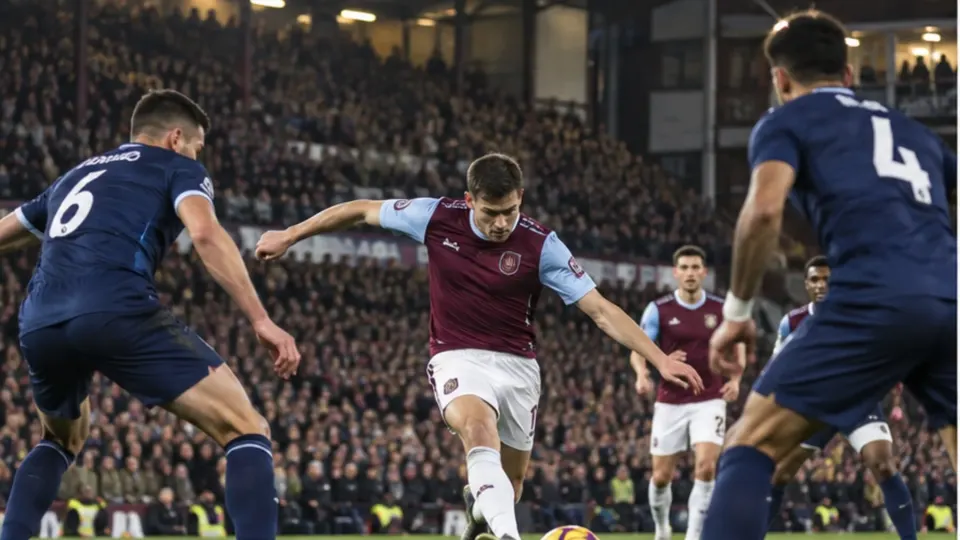
West Ham fought back from two goals down to draw 2–2 at Millwall in the first meeting between the London rivals for 14 years, but an allegation that forward Taty Castellanos spat at goalkeeper Filip Marschall now hangs over the match.
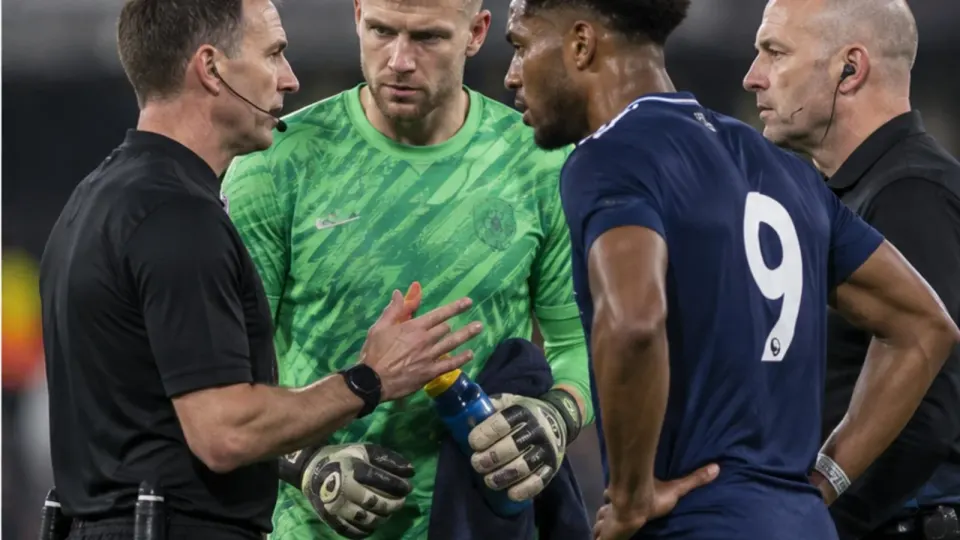
The alleged incident occurred in the 65th minute with Millwall leading 2–0. Marschall appeared to signal towards the referee and point at his shirt. Millwall lodged a complaint, according to broadcasters and both managers.
Neither manager said he had seen the incident. West Ham boss Nuno Espírito Santo said he needed to review the images and speak to Castellanos before commenting. Millwall manager Alex Neil said the fourth official had described an accusation of spitting.
It remains an allegation. Video evidence and the Football Association’s disciplinary process will determine whether an offence occurred. Proven spitting can bring a six-match suspension, but a possible punishment is not evidence of guilt.
The match before the investigation
Millwall controlled the first half at The Den and scored through Caleb Taylor and Camiel Neghli, both goals emerging from long throws that West Ham handled with all the composure of furniture being delivered through an upstairs window.
The visitors were transformed after the interval. Substitute Mohamadou Kante struck from distance before Konstantinos Mavropanos headed Manor Solomon’s cross into the net to complete the comeback.
West Ham’s momentum was checked when Kante was sent off for hauling down Kyrell Lisbie as the Millwall forward broke towards goal. The ten men survived the closing pressure and left with a point, temporarily preserving their position at the top of the Championship.
Millwall remain without a victory over West Ham for almost 22 years. The wait is an especially irritating statistic after leading by two in a fixture carrying enough historical tension to require enhanced stop-and-search powers around the stadium.
Why language matters now
Spitting is treated seriously because it is degrading, provocative and capable of escalating confrontation. That seriousness is exactly why reporting must stay accurate. “Accused of” and “found guilty of” are not decorative alternatives; they describe different legal and disciplinary stages.
Clubs should preserve footage, cooperate with the FA and avoid conducting the case through selective clips. Supporters should resist the traditional internet process in which a blurry angle becomes conclusive evidence once enough people add red circles.
The allegation also threatens to erase an absorbing match. Millwall’s set-piece aggression exposed West Ham, while the visitors’ second-half changes and quality recovered a point. Those tactical lessons will matter across a long Championship season after the disciplinary story has concluded.
For more results and analysis, visit OutOut’s sport section.
The rivalry returns
West Ham’s relegation last season renewed one of English football’s fiercest rivalries. Police mounted a major operation around the high-risk fixture. The match ended without the large-scale disorder many feared, although the intensity on the pitch remained obvious.
The safest conclusion is therefore limited: the teams drew, Kante was dismissed and Millwall made a complaint that requires investigation.
The OutOut verdict
Four goals, a red card, long throws, a two-goal comeback and 14 years of stored resentment apparently did not provide enough plot. The derby therefore applied for an additional disciplinary subplot.
Let the footage and process do their jobs. Football is already excellent at turning uncertainty into outrage before the slow-motion replay has loaded. If the allegation is proven, punish it properly. If it is not, correct the record with equal enthusiasm. In the meantime, the score remains 2–2 and “I saw a clip” remains outside the recognised laws of evidence.