Jeremy Clarkson has spent years demonstrating that farming can involve bad weather, broken machinery, government forms and animals that regard fences as an opening suggestion. Now Diddly Squat Farm has acquired another rural headache: somebody appears to have stolen 11 sheep.
Thames Valley Police is investigating the disappearance from the farm near Chadlington in Oxfordshire. According to reports, the animals are thought to have been taken during an unwitnessed period of roughly ten days. The loss was reported to police on Wednesday, and no arrests had been announced when the story was published.
Clarkson said the missing sheep have a combined market value of more than £2,000. That is the tidy financial figure. The untidy practical problem is establishing whether those 11 are the full total on a farm spread across about 1,000 acres.
How do 11 sheep simply disappear?
They did not vanish in a puff of wool. Moving that number of sheep normally requires a vehicle, handling equipment, some confidence around livestock and a plan for what happens next. It is not the sort of thing most opportunists attempt after noticing an unattended gate on the way home.
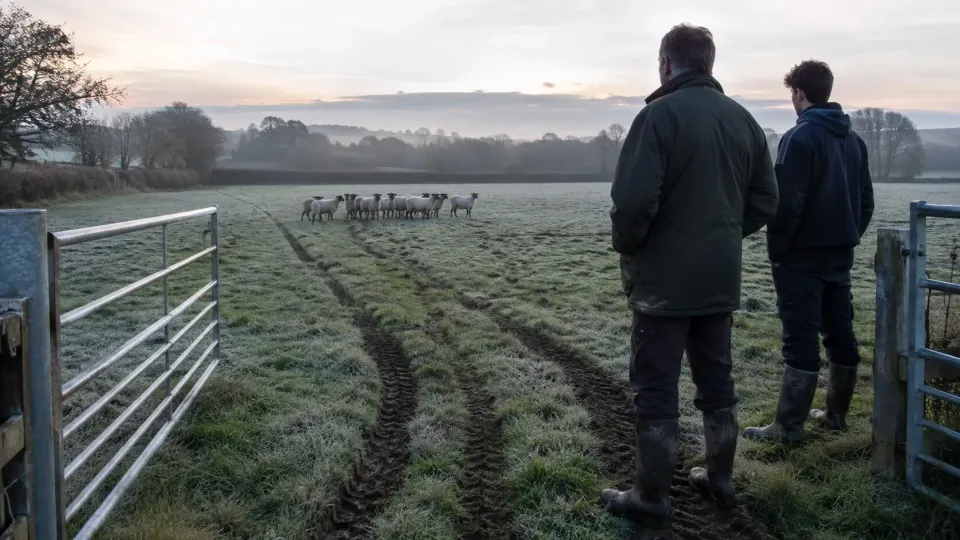
Clarkson reportedly discovered the shortfall while counting Easycare sheep with farm manager Kaleb Cooper. Anybody who has ever tried to count a moving flock will understand why this was not a single glance followed by a dramatic police siren. Sheep regroup, cross paths and appear deeply committed to making arithmetic look unreliable.
The broadcaster has also said he is concerned that animals could be missing from other fields. A large farm has many boundaries and isolated areas, which makes constant surveillance difficult without turning the Cotswolds into a low-budget remake of Mission: Impossible.

Why livestock theft matters
The story is naturally travelling because it involves one of Britain’s most recognisable farmers. The underlying crime, however, is familiar to agricultural communities. Livestock theft is expensive, disruptive and potentially distressing for the animals. Farmers can lose breeding plans and years of work as well as the immediate sale value.
It also creates a traceability concern. Legitimate movement of sheep is recorded for animal-health and food-chain purposes. Stolen animals enter a system designed to know where livestock came from, which means thieves need either an illicit route to sale or a willingness to take further risks.
For Diddly Squat, the first task is a careful count. The second is working out when the animals were last definitely present. Police can then examine information about suspicious vehicles, movements around the farm and any attempted sales.
Thames Valley Police has attached reference number 43260457181 to the investigation. Anyone with genuine information should contact the force through its official channels rather than conducting an amateur stakeout behind Clarkson’s farm shop.
The OutOut verdict
There is an unavoidable absurdity in one of television’s loudest men being defeated temporarily by the quiet removal of 11 sheep. But there is nothing harmless about organised livestock theft.
The animals need to be found, the route by which they left needs to be established and the rest of the flock needs a proper count. Until then, every innocent sheep standing behind another sheep is going to be accused of ruining the spreadsheet.