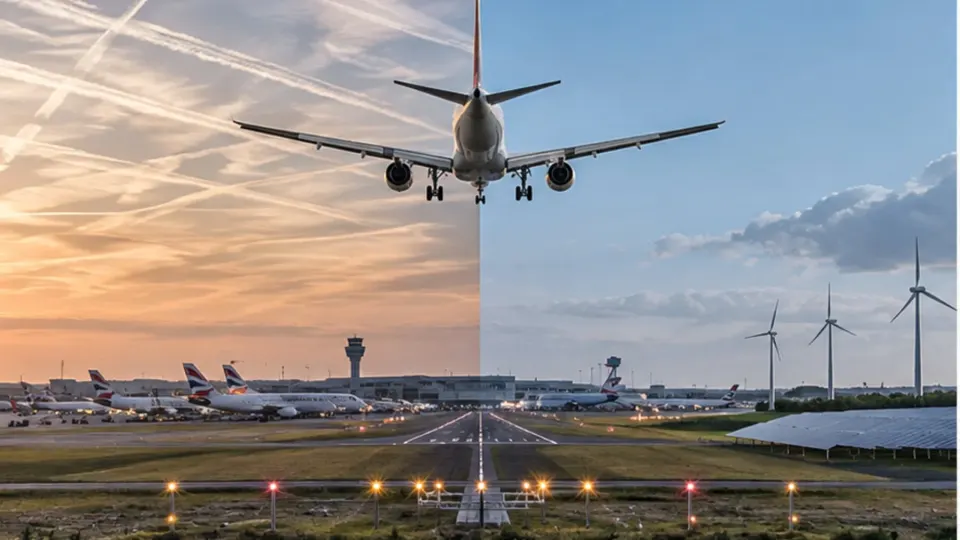
Heathrow cannot add a third runway and remain compatible with Britain’s climate targets under current policy, the Climate Change Committee has warned.
The independent advisers say expansion could proceed only if aviation is required to take full responsibility for its emissions by 2050, using much more sustainable aviation fuel and permanent engineered carbon removals. In other words, the runway may fit on the map; the emissions do not yet fit in the plan.
The Labour government backed expansion last year, arguing that extra capacity at one of the world’s busiest airports would support jobs, trade and growth. The CCC’s advice, requested by government and published on Wednesday 16 September, says there is no credible pathway joining that decision to net zero without stronger law and a detailed 25-year aviation strategy.
The technology gap
Sustainable aviation fuel can be made from wastes or through processes combining clean hydrogen and captured carbon. It can reduce lifecycle emissions and work in existing aircraft, but global supply remains tiny and costs several times more than conventional jet fuel.
Airlines have promised net zero by 2050 largely through fuel changes, efficiency and carbon removal. The CCC says sustainable fuel still accounts for less than 1% of global jet-fuel use. Engineered removals such as direct air capture are even smaller: fewer than two million tonnes have been generated globally, while aviation emits on an entirely different scale.
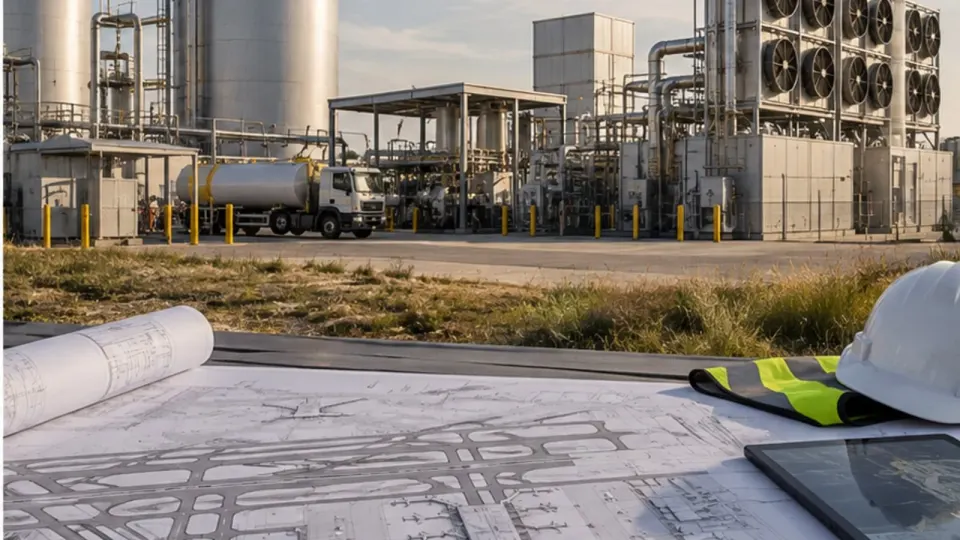
That does not make either technology fake. It makes the timetable and financing critical. A planning decision cannot assume an enormous new industry will arrive on cue, at acceptable cost, because a spreadsheet cell was coloured green.
The committee wants legislation making airlines address all their emissions by 2050, the full cost of decarbonisation phased into aviation and contingency plans if fuel or removal technologies do not scale. Those contingencies could include limits on demand, an option governments generally describe in much quieter voices.
Who pays for cleaner flying
If airlines must buy expensive fuel or permanent removals, some cost will reach ticket prices. That raises a distribution question: frequent flyers account for a disproportionate share of flights, while millions of people fly rarely or not at all. A policy that loads every passenger equally may be simple but not necessarily fair.
Supporters of expansion argue that Heathrow’s connectivity creates economic value and that blocking capacity could send flights and business elsewhere. Opponents answer that projected growth can overwhelm efficiency gains and that infrastructure built now will operate for decades.
Both sides therefore need to publish more than slogans. Government should show the assumed passenger numbers, fuel supply, carbon price, removals volume and household cost. Heathrow and airlines should demonstrate contracts and investment rather than future-tense ambition.
The airport is already under scrutiny following the recent air-traffic disruption. Read our report on the NATS outage and passenger consequences.
The OutOut verdict
Britain’s preferred infrastructure ritual is to approve a very large project, promise that technology will make the difficult bit disappear and then accuse arithmetic of negativity.
A third runway is not automatically impossible, but the CCC has set a reasonable test: aviation must pay for a credible route to zero rather than borrowing one from a future press release. If the business case only works while somebody else owns the carbon, it is not a complete business case. It is luggage left unattended.