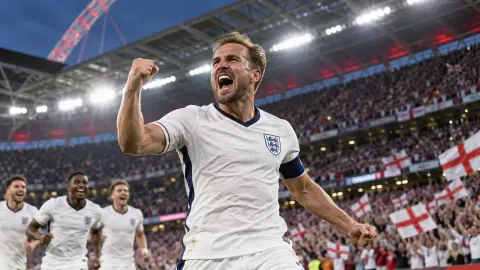
Erling Haaland scored both goals in Manchester City’s 2-0 Champions League win at Porto, then ended the evening explaining an incident that will not appear in the expected-goals chart.
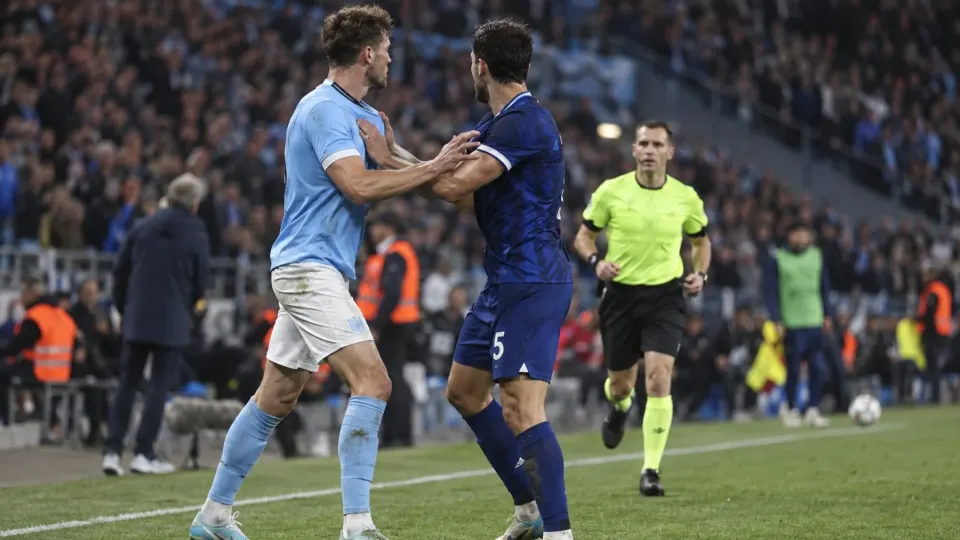
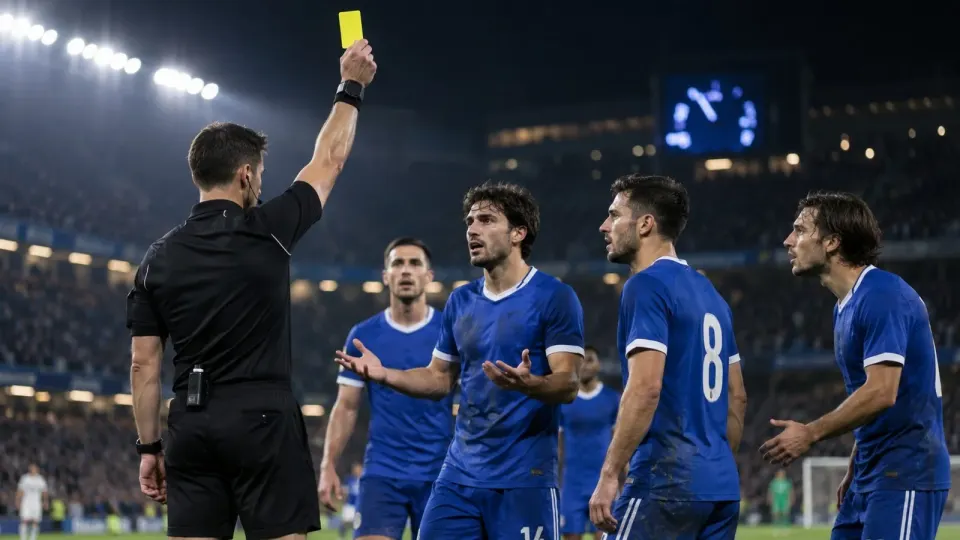
The striker says Porto midfielder Pablo Rosario grabbed his bottom during a confrontation in stoppage time. The players grappled near the end of the match and were both shown yellow cards.
Speaking to Norway’s TV 2 afterwards, Haaland gave his account of the contact and suggested Rosario was not going to let him complete a hat-trick. Rosario had not, in the reports available when this article was prepared, issued a detailed public response to that specific allegation.
That makes the wording important. Haaland says it happened; television footage shows the confrontation; the precise contact and intention are matters for officials reviewing the incident.
The football before the argument
City won through two Haaland goals. His first came early in the second half, a header he said reflected training work with his father, former City player Alf-Inge Haaland. The second secured the result.
The match had already been tense. An earlier confrontation involving Marc Guéhi and Gabri Veiga drew players and staff towards the tunnel area. By stoppage time, the contest had moved from competitive to combustible.
Uefa was waiting for the referee’s report before deciding whether any further disciplinary action was required. A yellow card settles what the referee dealt with on the field unless later evidence and competition rules allow a separate process.
Why the quote went everywhere
Elite football produces dozens of shoves every week. Very few post-match explanations contain the phrase “grabbed my bottom”.
The unusual wording converted a routine late scuffle into a viral story. It also demonstrates how quickly one quote can overshadow two Champions League goals. Haaland’s finishing decided the match; his description decided the social-media headline.
There is a serious boundary beneath the humour. Unwanted contact is not made acceptable by a football kit or a noisy stadium. Officials need to judge what happened, and neither memes nor partisan slow-motion clips should replace that process.
What happens next?
The referee’s report is the starting point. Uefa can review incidents under its disciplinary framework, particularly if officials or video evidence identify conduct not fully dealt with during the match.
No automatic extra punishment follows merely because a player describes an incident in an interview. The governing body would need evidence, a relevant charge and a process that allows those involved to respond.
The two yellow cards do not, on their own, establish every detail of Haaland’s account. They record the referee’s response to the confrontation that was visible at the time. Any wider conclusion should come from the match report, usable footage and statements from the people involved—not from freezing a grainy social-media clip at the angle most flattering to one team.
That distinction matters because disciplinary stories often become verdicts online before an official has opened the paperwork. City supporters can celebrate the win and still wait for evidence; Porto supporters can dispute the allegation without pretending no confrontation occurred. The responsible position is less exciting than a fan argument, but substantially more accurate.
City must also manage Haaland’s workload. The striker has played heavily for club and country, and discussion about rest will continue regardless of his appetite for hat-tricks.
Follow OutOut’s Sport section for verified updates. Our report on Pochettino’s demand over Chelsea’s 2017 title contains a football dispute conducted with substantially more paperwork.
The OutOut verdict
Haaland left Porto with two goals, three points and the least predictable interview line of the Champions League week.
The clip will be replayed for comedy, but the sensible conclusion is straightforward: let the referee’s report and any clear footage establish what occurred. Until then, report Haaland’s allegation as an allegation.
Footballers have spent years perfecting shirt-pulling, blocking and the discreet ankle clip. If the sport is now adding bottom-grabbing to the defensive manual, Uefa may need a particularly specific training slide.