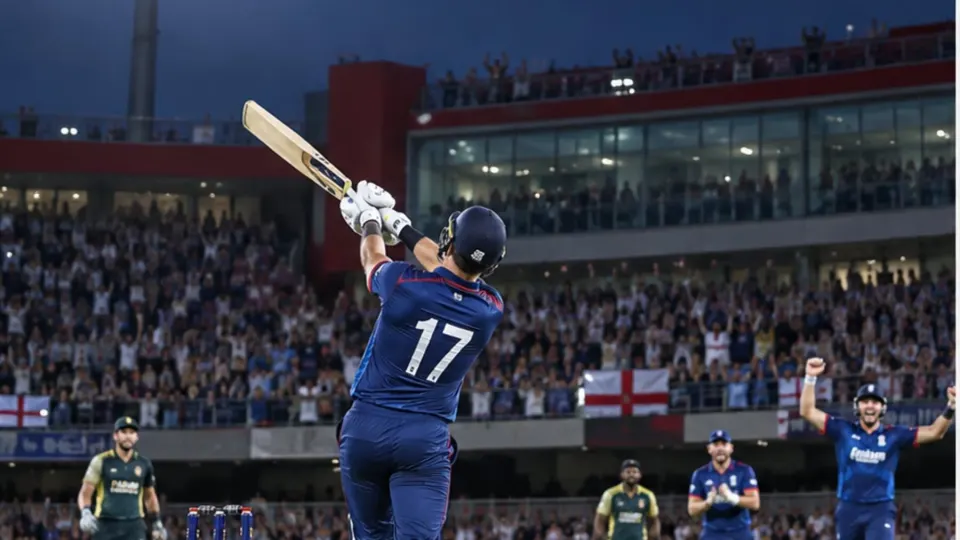
England completed a 3–0 T20 series whitewash over Sri Lanka at Old Trafford on Saturday night, winning the final match by eight wickets with an almost impolite 62 balls still available.
The result returned England to the top of the world T20 rankings above India and extended their winning sequence against Sri Lanka in the format to 15 matches. Jos Buttler finished unbeaten on 62 from 32 deliveries, while captain Harry Brook made 33 before being run out.
Sri Lanka had been dismissed for 124 after failing to use all 20 overs. England reached 126 for two in fewer than ten overs, transforming a target into something closer to a booking reference.
How the match was won
England won the toss and bowled in a strong Manchester breeze. Sri Lanka reached 47 for two in the powerplay, but the innings repeatedly lost momentum through dismissals that mixed good bowling with damaging decision-making.
Will Jacks, Jofra Archer and Sonny Baker each took two wickets. Pathum Nissanka made 36 from 24 balls and Kamindu Mendis added 35 from 28, but captain Charith Asalanka was run out for 16 and the lower order could not build a competitive finish.
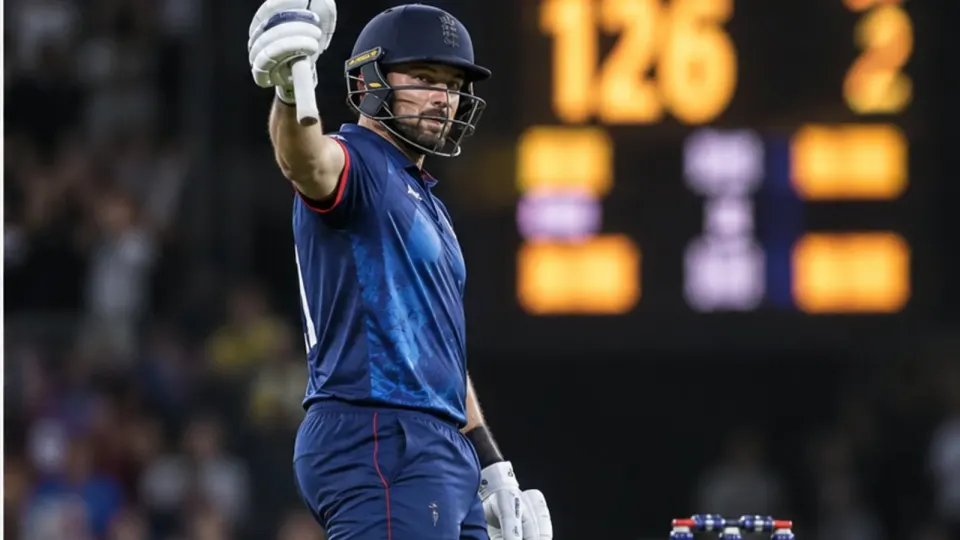
The chase briefly produced a wicket when Aneurin Donald was stumped for 13. Buttler and Brook then ended the contest as a meaningful sporting uncertainty. England reached 82 for one by the end of the six-over powerplay. Buttler completed his half-century with a six and finished the match with another.
The performance arrived two days after Buttler became the first batter to reach 15,000 career T20 runs. Brook, who struck 114 not out in the opening game, finished as the series’ leading scorer and player of the series.
More than one large score
England’s strongest feature was adaptability. They won the first match by 119 runs after an enormous batting display, controlled a chase in Cardiff and then demolished a small target in Manchester. Different conditions produced the same outcome through different routes.
Brook said every player had contributed and the side had read conditions well. Sri Lanka captain Asalanka called the series an eye-opener and said players, coaches and administrators needed to find solutions.
That assessment is difficult to dispute. Sri Lanka bowled nine wides in the final match, including two that ran to the boundary, and repeatedly gave away wickets. International T20 cricket already punishes small errors. Providing free runs and unused deliveries is an ambitious attempt to make the format even shorter.
England now move into a three-match one-day international series beginning on Tuesday. The ranking is valuable, but form can change rapidly and bilateral dominance is not the same as winning a global tournament. The real test is whether this aggressive, flexible cricket survives tighter knockout pressure.
Read more performances and results in OutOut’s sport section.
The OutOut verdict
England did not merely chase 125; they returned it to sender before the evening traffic had cleared. Buttler looked entirely untroubled, Brook completed an outstanding series and the bowlers denied Sri Lanka any platform.
Being world number one in September does not come with a trophy cabinet key. It does, however, confirm that England’s reboot is functioning rather well. Sri Lanka now require honest analysis, better execution and possibly a support group for anyone asked to bowl during an English powerplay.