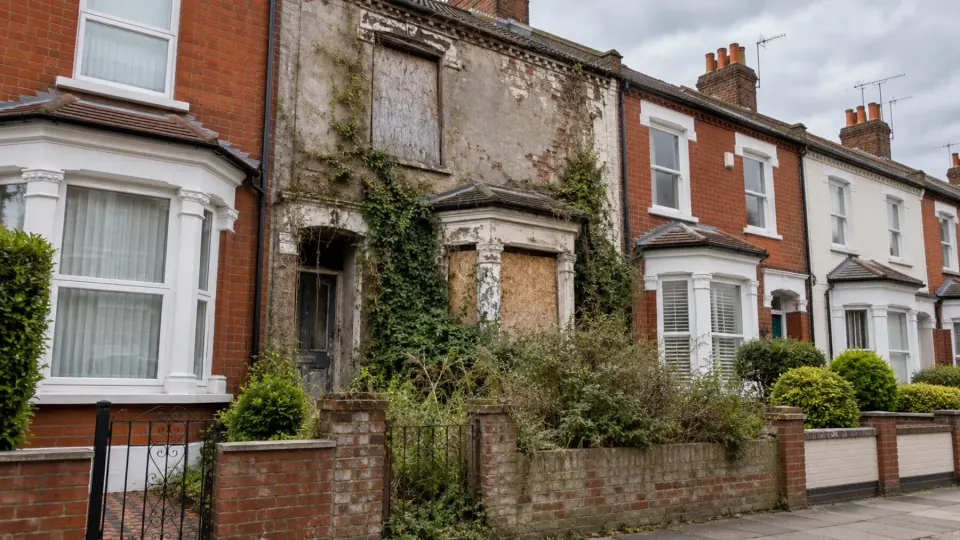
Councils in England will be able to seek control of a home after it has stood empty for six months, rather than waiting two years, under reforms announced on Sunday 27 September. The mechanism is an Empty Dwelling Management Order, or EDMO. It lets a local authority manage a qualifying property and bring it back into occupation for up to seven years. The owner keeps ownership.
That final sentence is important because “council takes over your home” can sprint around social media wearing somebody else's shoes. An EDMO is not automatic confiscation. Councils must use a legal process involving the Residential Property Tribunal, and the power concerns management of a long-term empty dwelling. The announced reform shortens the eligibility period and removes some evidential hurdles; it does not transfer the title deed to the town hall.
The government says councils will no longer need to provide evidence about matters such as anti-social behaviour or community support when applying. The aim is to act before neglect becomes serious and make the route simpler. Further changes are still being explored, so Sunday's announcement is both a concrete reform and part of a continuing policy process.
Why six months changes the calculation
Two years is long enough for damp, vandalism and disrepair to become entrenched. It is also long enough for neighbours to stop believing anyone is responsible. Reducing the threshold to six months lets councils intervene earlier, at least on paper. It may also capture homes that are empty for legitimate transitional reasons unless exemptions and discretion are applied carefully.
Bereavement, major renovation, hospital care, legal disputes and a genuinely active sale can all leave a property unoccupied. A fair regime distinguishes a difficult temporary vacancy from abandonment. Tribunal oversight and communication with owners are safeguards, not bureaucratic clutter. The point is to return homes to use, not win an administrative argument against someone handling a family crisis.
Official housing estimates show vacancy is not a single category. The English Housing Survey estimated 1.2 million vacant dwellings in 2024, around 5% of the stock, but that snapshot includes many ordinary gaps between occupants. Council-tax data separately tracks long-term empty properties. Readers should be suspicious of any campaign that treats every unoccupied home as immediately habitable or every housing-need figure as directly interchangeable with an empty-home count.
Even so, persistent vacancy carries real costs. An empty property can deteriorate, attract fly-tipping or nuisance and weaken a street. Bringing it back may add a home faster than constructing one from scratch. It will not solve the national housing shortage alone: location, condition, ownership and repair cost determine whether a particular building is useful.
The practical obstacles
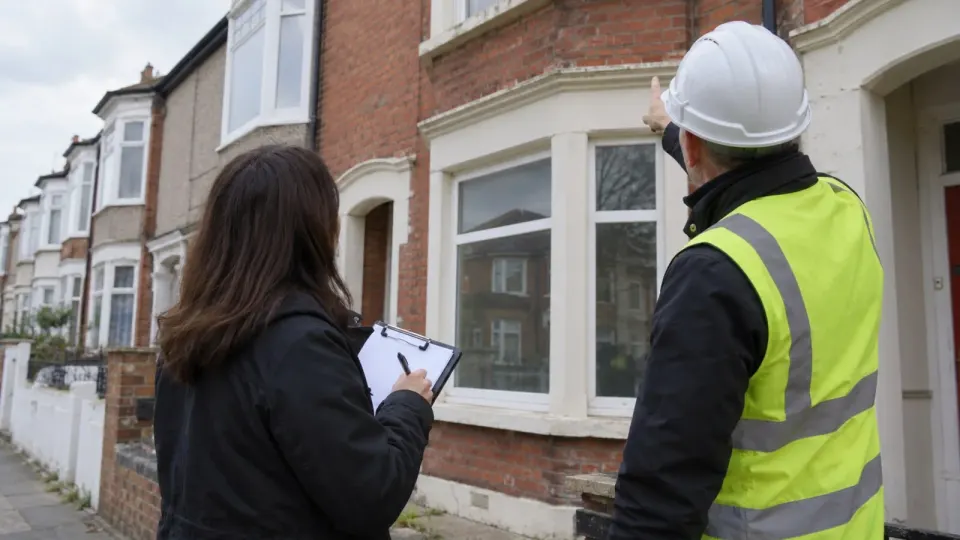
Councils need staff to identify homes, trace owners, inspect condition, prepare tribunal applications, fund repairs and manage tenancies. Shortening the legal clock does not hire an empty-homes officer. Authorities under financial pressure may use the power sparingly unless guidance, funding and recoverable-cost rules make cases viable.
Condition is the next issue. Some long-empty properties need modest work; others require structural repair, rewiring, heating and extensive remediation. An authority managing the home must understand how expenditure will be recovered from rent and what happens when the order ends. A property that is theoretically available but financially impossible to restore is not a quick housing unit.
There is also a geographical mismatch. Some places with acute housing pressure have expensive empty properties; other areas have persistent vacancies because demand, employment or transport is weak. Returning a building to use in the wrong market may still help a neighbourhood, but it will not necessarily relieve the temporary-accommodation bill in another council hundreds of miles away.
Councils will need reliable records too. Council-tax information can identify potential cases, yet it may lag reality or contain exemptions that require investigation. Visiting, contacting owners and documenting condition takes time. The six-month rule starts the legal possibility earlier; it does not turn a spreadsheet cell into a safe tenancy.
Owner engagement should remain the first route where it can work. Councils can offer advice, loans or support before using coercive powers. But a credible legal backstop changes that conversation. “Please consider doing something” lands differently when the authority can apply to manage the building after continued inaction.
The reform may also affect speculative behaviour. Holding a habitable home empty becomes less comfortable if management action can begin after six months. Yet investors will still price in enforcement probability. A power rarely used is a warning sign, not a market rule.
OutOut's earlier examination of the new first-time-buyer equity-loan proposal showed how housing policy often focuses on demand. Empty-home action works on existing supply. The two are not substitutes: helping buyers without adding usable homes can push prices, while restoring homes without improving affordability may still leave them beyond local incomes.
The government should publish annual figures for notices, tribunal applications, orders approved, homes occupied, costs and outcomes after orders end. That will show whether the six-month threshold changes behaviour or merely edits a line in guidance.
The OutOut verdict
A boarded house in a street of occupied homes is not a housing strategy. Letting councils intervene sooner is sensible, provided owners keep due process and legitimate temporary vacancies are treated like circumstances rather than crimes.
The reform gives local authorities a sharper tool. Now they need staff, money and the willingness to take it out of the box. Britain does not suffer from a shortage of housing announcements; it suffers from homes people cannot enter.