Argentina says it will file new legal complaints against companies exploring for oil near the Falkland Islands and is preparing legislation to toughen sanctions against businesses connected with the British overseas territory.
Britain rejects Argentina’s claimed jurisdiction and has issued guidance supporting legitimate economic activity regulated by the Falkland Islands government. The result is a familiar sovereignty dispute moving into corporate law, where every barrel arrives accompanied by several folders and a lawyer charging by the hour.
Argentina calls the islands Las Malvinas and claims sovereignty. Britain says the islanders have the right to determine their future. In a 2013 referendum, voters overwhelmingly chose to remain a UK overseas territory. Argentina rejects that referendum and continues to press its claim.
Which companies are involved
Reuters reported that Argentine newspaper Clarín said a federal prosecutor sought an investigation into executives and shareholders of Israel’s Navitas Petroleum and Britain’s Rockhopper Exploration. Government spokesperson Adrian Ravier said further complaints would be filed, although he did not name the companies.
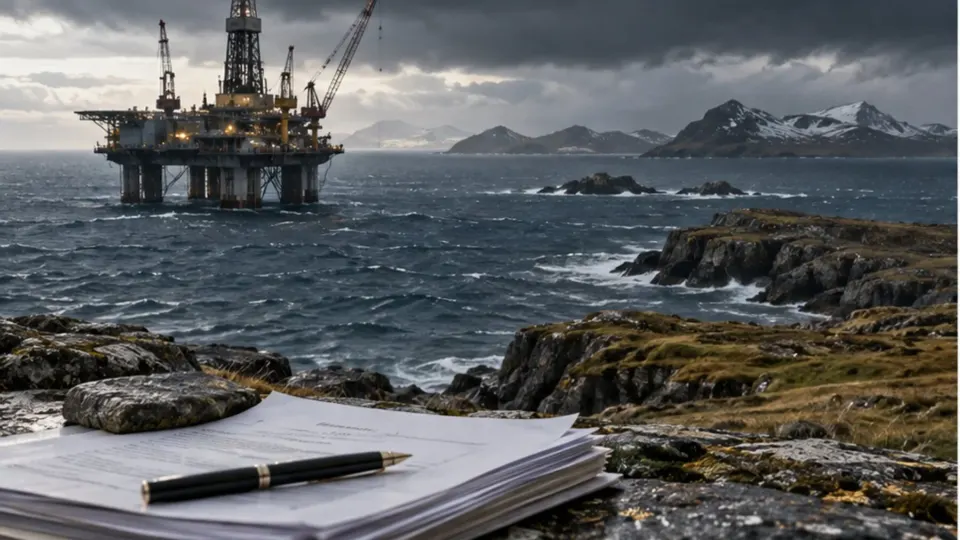
Navitas and Rockhopper are involved in the Sea Lion oil project north of the islands. Both have previously said their licences are valid under Falkland Islands law and that Argentine action is not expected to stop development. Navitas did not immediately respond to Reuters on the latest announcement; Rockhopper declined to comment.
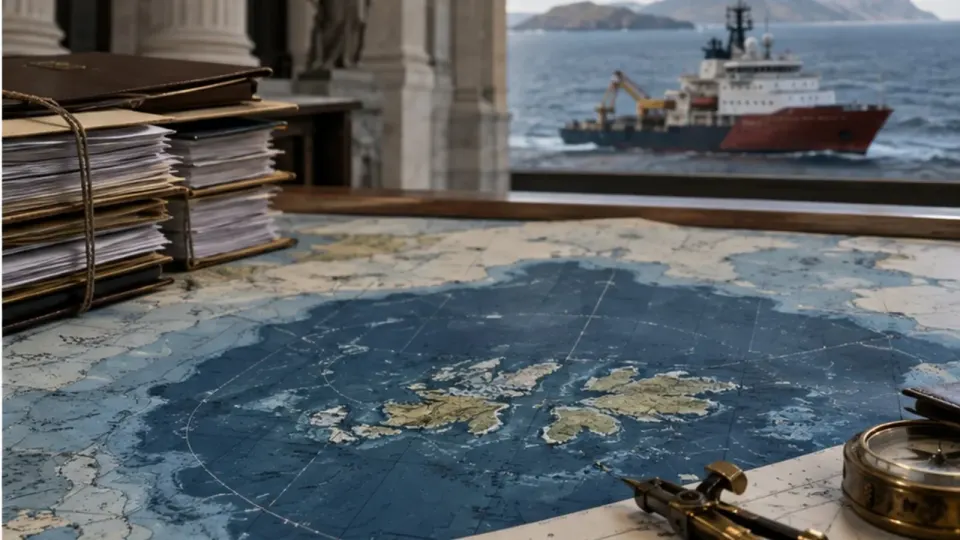
That difference in legal foundations is the whole fight. Argentina considers exploration unauthorised because it claims the territory and surrounding resources. The island administration licenses activity under its own laws, backed by Britain. Each side can issue documents; the practical question is where judgments and sanctions can be enforced.
The UK guidance says Argentina has no right to apply domestic law to the islands or to companies doing business there and sees no basis for courts outside Argentina to enforce such measures. Businesses with assets, staff or banking relationships inside Argentina may nevertheless face different exposure from a company operating entirely elsewhere.
Why oil raises the stakes
Sovereignty arguments have endured for decades, but a large commercial project attaches revenue, investment and infrastructure to the dispute. Supporters say development could transform the islands’ economy and fund public services. Critics raise environmental, climate and geopolitical concerns, as well as the risk that companies become instruments in a confrontation between governments.
The 1982 Falklands War killed 255 British military personnel, three islanders and 649 Argentine military personnel. That history requires reporting without theatrical suggestions that a new legal complaint means another armed conflict is imminent. The present development is economic and judicial pressure.
President Javier Milei’s government has spoken about recovering sovereignty through diplomatic means. Tougher sanctions may serve a domestic political purpose while testing whether international investors decide the legal risk is tolerable.
For more international reporting with a UK connection, follow OutOut’s World section.
What to watch
The text of Argentina’s proposed legislation will show which businesses and individuals it targets, what penalties are contemplated and whether measures extend beyond oil. Responses from lenders and insurers may matter as much as courtroom filings because large offshore projects depend on finance and specialist services.
Britain and the island government will also need to explain environmental oversight, emergency planning and how public revenue would be managed. Legal certainty is only one part of responsible development.
The OutOut verdict
The sovereignty argument has not changed; the invoice attached to it has become larger.
Argentina can create serious complications for firms within its reach, while Britain can insist those measures lack authority in the islands. Neither statement makes the commercial risk disappear. Oil companies wanted geology. They have received history, international law and a South Atlantic weather forecast in the same prospectus.