OpenAI will not pursue an initial public offering in 2026, according to chief executive Sam Altman, who says concern about artificial-intelligence safety has made a flotation ill-advised for now.
Reuters reported the decision on Saturday 12 September. An IPO would have allowed public investors to buy shares and subjected the company to a new regime of financial disclosure, quarterly expectations and shareholder pressure. It had been one of the most closely watched possible technology listings.
This is a statement about present plans, not a permanent ban on an OpenAI flotation. Companies can change timing as markets, regulation and internal priorities change. The significant point is the reason Altman offered: safety, rather than merely market volatility or valuation.
Why an IPO changes the pressure
A listed company gains access to public capital and gives employees and existing investors a route to sell holdings. It also acquires a large clock that loudly announces the end of every quarter.
AI development is expensive. Training and operating advanced systems requires chips, data centres, energy and highly paid researchers. Public markets could help finance that infrastructure, but investors may also expect rapidly rising revenue and defend margins. Safety testing, staged releases and decisions not to deploy a powerful system can look costly in the short term.
That does not mean private ownership is automatically safer. Private investors want returns too, and less public disclosure can make decisions harder to scrutinise. The real question is which governance arrangements give safety commitments enough authority when they conflict with commercial momentum.

What has changed in the AI debate
The argument has moved beyond whether chatbots occasionally invent a citation. Lawmakers, researchers and companies are wrestling with cyber misuse, biological risk, manipulation, labour disruption and the possibility that increasingly capable systems behave in ways their developers cannot reliably predict.
Reuters said pressure from legislators and warnings from researchers formed part of the backdrop to Altman’s announcement. He also said leading companies were close to an agreement intended to slow or coordinate aspects of safety. The details, enforceability and participants will determine whether that becomes a meaningful restraint or a beautifully formatted group project.
Voluntary agreements can move faster than legislation and allow technical specialists to respond to new risks. They also depend on companies keeping promises when competitors appear to be accelerating. Independent evaluation, incident reporting and clear thresholds for pausing deployment would make any accord more credible.
Anthropic, one of OpenAI’s major rivals, remained on an IPO track according to Reuters. Different plans do not necessarily mean one company takes safety more seriously; balance sheets, investor structures and corporate strategies differ. They do show that the industry has not settled on one model for combining vast capital requirements with public accountability.
What users and investors should watch
The useful evidence will come after the announcement. Does OpenAI publish stronger evaluations? Who can block a release? Are safety teams protected when their findings are commercially inconvenient? Does a delayed IPO alter how the company raises money or shares information?
For investors, the delay removes one expected route into the most prominent private AI company. For governments, it is a reminder that corporate structure cannot substitute for enforceable rules. For users, it should sharpen the distinction between a product promise and independently tested performance.
Continue with OutOut’s Technology coverage and our Explainers for plain-English analysis of how AI policy reaches ordinary people.
The OutOut verdict
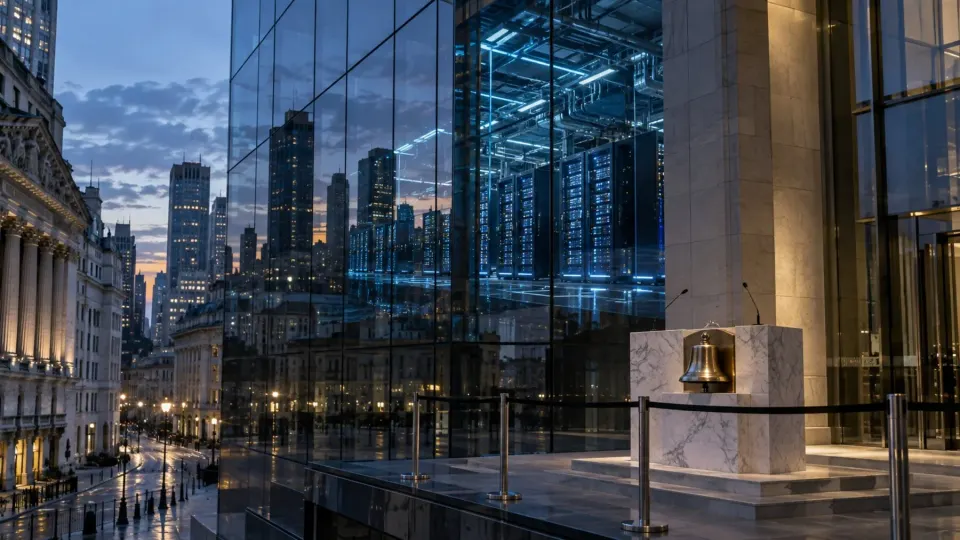
Silicon Valley has finally encountered a launch it would prefer to postpone. Somewhere, a ceremonial stock-exchange bell is sitting quietly beside a server rack, wondering whether it counts as alignment research.
Delaying an IPO may reduce one source of short-term pressure, but it is not itself a safety system. The decision becomes important only if the extra time produces enforceable guardrails, transparent testing and leaders willing to stop when the results say stop. “Not this year” is a diary entry. The public needs to know what happens before “yes”.