Britain's nuclear test veterans and their families are to get an independent panel examining the possible effects of the testing programme, after decades of campaigning for records, recognition and answers. Prime Minister Andy Burnham announced the panel on Tuesday 24 November after meeting representatives of the veteran community in Downing Street.
Bishop James Jones, who chaired the Hillsborough Independent Panel, has agreed to lead the work. The government says the new body will follow the same broad panel model, operate independently and seek an interim report in time for the 75th anniversary of Britain's first nuclear weapons test. Its detailed terms of reference and the names of additional panel members are still to come.
The announcement is important, but it is not a finding that every disputed claim has been proved. Nor is a non-statutory panel the same legal mechanism as a public inquiry. The task is to gather evidence, establish what can be known and place veterans and families at the centre. After a wait measured in generations, accuracy is not a bureaucratic luxury; it is the entire point.
Who the veterans are
Thousands of British service personnel took part in or supported nuclear weapons tests in Australia and the Pacific during the 1950s and 1960s. Many veterans and descendants have argued that radiation exposure affected their health and families, and that official records have been incomplete, withheld or difficult to obtain.
The campaign embraces several questions that must not be collapsed into one. What exposure did individuals receive? What monitoring and safety arrangements existed? What records were created and where are they now? What does medical evidence show about veterans and descendants? What did departments know at the time and afterwards? A panel earns trust by following evidence through all of those doors, including the ones that open onto uncomfortable rooms.
The government says the panel will assess the potential impact of testing exercises on veterans and their families. It also plans separate work on memorialisation, education and research through the Office for the Prime Minister and Cabinet. Those streams may complement the investigation, but a memorial cannot substitute for a record and a research programme cannot quietly become a waiting room for decisions.
Why the Hillsborough model matters
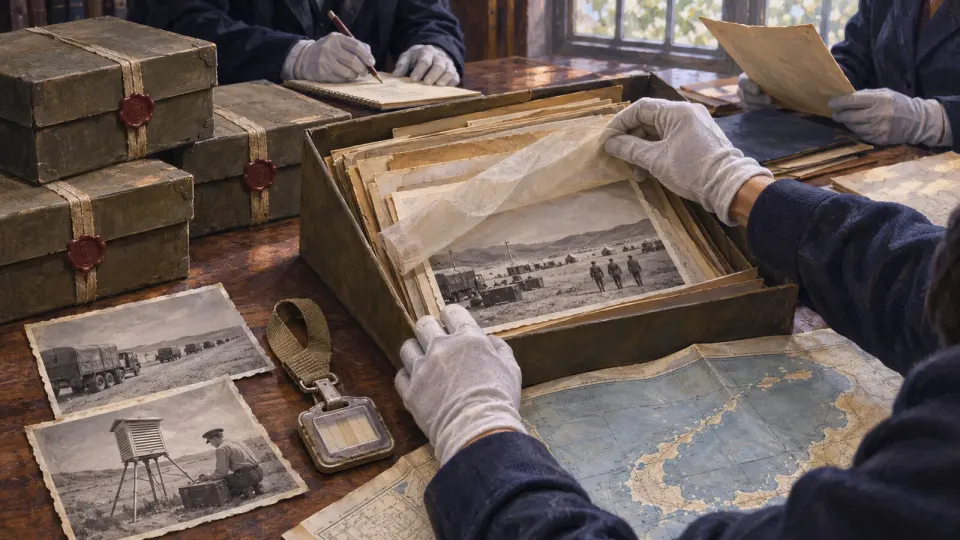
The Hillsborough Independent Panel was designed to review and disclose documents, build a comprehensive account and involve bereaved families. Bishop Jones subsequently chaired the Gosport Independent Panel. His appointment signals an evidence-and-disclosure approach rather than a conventional adversarial hearing dominated by barristers.
The government describes that model as faster and collaborative. Whether it proves so will depend on access. The panel needs departmental, military, medical and scientific records; a clear system for veterans and families to submit material; expertise able to interpret historic dosimetry and modern epidemiology; and publication arrangements that do not bury decisive findings beneath redaction and acronyms.
Ministers say the proposed Public Office (Accountability) Bill will apply a duty of candour to the panel once it completes Parliament, and that public bodies should act in the spirit of that duty immediately. That promise matters, but it remains partly prospective. The legislation has not yet finished its passage, and goodwill is not the same as enforceable disclosure.
The panel is non-statutory, like the Hillsborough and Gosport panels. That may allow flexible document review and family participation, but it also means readers should not assume it automatically possesses every power available to a statutory inquiry. The terms of reference should spell out how disputes over evidence, access and cooperation will be handled.
What happens next
Additional panel members will be appointed and terms of reference published. Veterans and descendants will need clear information about how to contribute, what records can be requested, whether testimony will be public and how privacy will be protected. An interim report is planned; no final-report date has yet been announced.
An interim deadline tied to the first test's 75th anniversary creates momentum but also risk. Historic investigations deal with missing documents, deceased witnesses and scientific uncertainty. The panel should move urgently without pretending speed can manufacture evidence that no longer exists. Where the record cannot support certainty, it should say so plainly and explain why.
OutOut has covered other questions of defence, state responsibility and public evidence, including Britain's role in the new NATO Starlift rapid satellite-launch network. The same editorial rule applies: an investigation is a process, not a verdict. Its credibility depends on documents, transparent reasoning and whether affected people can recognise their evidence in the final account.
Further confirmed developments will appear in OutOut's UK news section, with panel findings separated from campaign claims and ministerial promises.
The OutOut verdict
Veterans were asked to stand near the most consequential technology humanity had built, then spent decades asking what that might have done to them. The administrative reply too often resembled a locked filing cabinet explaining that it was unable to comment on the location of the key.
An independent panel chaired by James Jones is a serious step. The appointment brings experience, and the disclosure model has a record of turning scattered official papers into a public account. It will still be judged by what it can see, what it publishes and what government does afterwards.
There is one phrase ministers should resist: “drawing a line under it”. Families asking for the truth are not untidy paperwork. The panel's job is to draw the evidence together, show where the lines lead and admit where the page has been torn.
Sources
- UK Government: Prime Minister announces Independent Panel on nuclear weapons testing, published 24 November 2026.
- UK Government: Atomic Weapons Establishment records relating to nuclear test veterans, background collection accessed 25 November 2026.
- The National Archives: records of veterans of nuclear testing and the Merlin database, background guidance accessed 25 November 2026.