
Apple has unveiled its first foldable phone, the iPhone Duo, at the company’s annual September showcase. It was also the first major product event fronted by John Ternus since he succeeded Tim Cook as chief executive.
The combination guaranteed attention. A new shape for Apple’s most important product would have been a major launch in any year; presenting it during a leadership handover turns the device into a statement about what changes and what stays familiar.
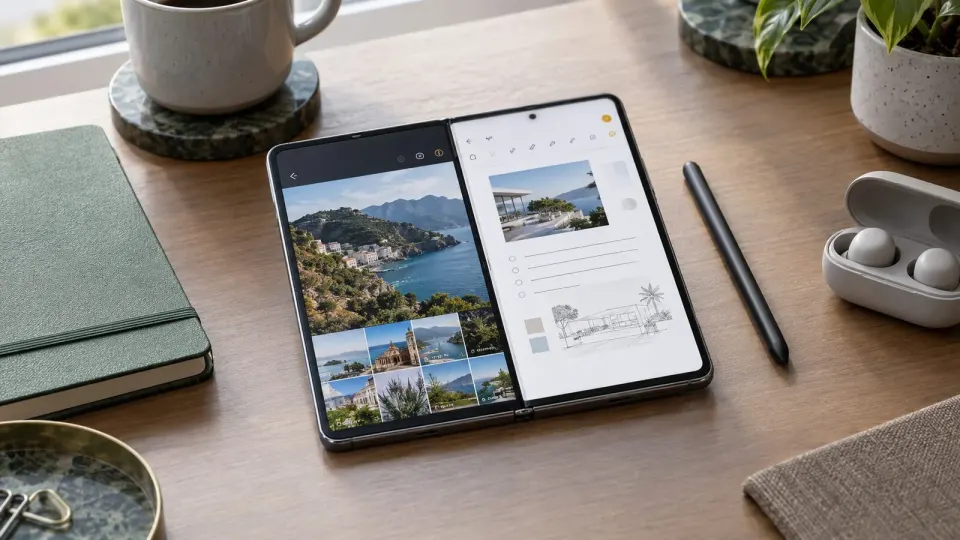
The Duo opens like a book. Reports from Reuters and the Associated Press describe a 5.4-inch outer display and a 7.6-inch inner screen, with support for Apple Pencil and side-by-side apps. Prices in the United States begin at $1,999, placing it firmly in premium-laptop territory and making it Apple’s most expensive iPhone.
UK pricing and every market-specific feature should be checked on Apple’s local store before anybody begins rearranging a direct debit. Availability and services can differ by country.
What Apple announced
The foldable was the headline device, but not the only one. Apple also presented the iPhone 18 Pro range, new Apple Watches and AirPods. The phones use the company’s new A20 Pro chip, with the usual emphasis on cameras, efficiency and on-device artificial intelligence.
The Duo is designed to work as a conventional phone when closed and provide a larger canvas when opened. Split-screen multitasking is central to the pitch: a user might keep messages beside a calendar, notes beside a browser, or a video beside the group chat devoted to complaining that the video should have been watched together.
Apple is arriving after rivals rather than inventing the category. Samsung and several Chinese manufacturers have spent years refining hinges, flexible screens and software for foldable devices. That makes this launch interesting for a different reason: Apple has waited until it believes the hardware, software and supply chain can meet its standards at scale.
Why the first version matters
Foldables remain a small share of the wider smartphone market. Their obstacles are familiar: high prices, thickness, battery compromises, long-term hinge durability and the visible crease that manufacturers keep insisting nobody will notice while lighting every photograph to make it disappear.
Apple’s advantage is integration. It controls the operating system, chips, retail network and much of the app-development environment. If the Duo sells in meaningful numbers, developers have a reason to design experiences for two panes and changing screen sizes rather than treating the larger display as a stretched phone.
Its disadvantage is expectation. Buyers spending around two thousand dollars will not regard fragile novelty as charming. They will expect the hinge to survive years of use, apps to behave properly and repairs to be practical.
The launch also gives the wider market a test. If an Apple foldable cannot pull the category beyond enthusiasts, the issue may not have been a missing logo. It may be that most people are content with a flat rectangle that has no mechanical opinion about how it should be carried.
John Ternus’s first big stage
Ternus joined Apple in 2001 and led hardware engineering before becoming chief executive. His presentation was therefore watched for clues about leadership as much as products.
One event cannot reveal a corporate strategy. The product roadmap was built over years and the Duo was not designed after the new chief executive found a spare afternoon. Still, the symbolism is useful: a hardware leader introduced Apple’s biggest hardware change in more than a decade while stressing continuity in the company’s approach.
The commercial test comes next. Premium phones generate large margins, but the market for a device at this price is narrower. Apple must persuade customers that the extra screen changes what they can do, not simply how dramatically they can close a call.
For continuing coverage of devices and AI, visit OutOut’s Technology section. Our separate report on warnings from an Anthropic researcher looks at the much darker end of the technology debate.
The OutOut verdict
Apple has finally folded the iPhone, which means millions of people who mocked foldables yesterday will soon explain that Apple invented the correct fold.
The Duo looks significant because it combines a mature ecosystem with a form factor that has so far remained expensive and specialist. But the proper review begins after the launch lights go down: battery life, durability, app behaviour and repair costs will decide whether this is the next normal or a beautiful wallet that also receives calls.